
Filing SR-22 After a Second Violation — Washington
Free to compare
Second Violation Triggers a Different SR-22 Framework
Washington Department of Licensing sent you a notice requiring SR-22 proof-of-insurance filing. If this is your second DUI, reckless driving conviction, or major violation within seven years, you are now in a different procedural track than first offenders. The filing period is longer. The Ignition Interlock License eligibility rules are stricter. The carrier pool is smaller.
This article walks the second-violation SR-22 pathway: filing period differences, IID pairing requirements, carrier availability for repeat violations, and the specific steps you take to maintain compliance until reinstatement. You need concrete answers about what changed from your first violation and how to meet DOL's requirements without gaps that extend your suspension further.
“Second-offense drivers owe 5 years of IID, which means 5 years of SR-22 filing even though the statutory minimum is 3.”

Get Back on Washington Roads With the Right SR-22
Get My Washington SR-22 Auto Insurance Quote3 years minimum
Washington SR-22 Filing Period
Washington requires SR-22 filing for a minimum of 3 years measured from the conviction date for DUI, reckless driving, and other major violations under RCW 46.29. Second offenses within seven years may extend this period depending on offense severity and prior IIL compliance history.
RCW 46.29 (Financial Responsibility)
How the Second Violation Changes Filing Duration
First-offense DUI or reckless driving suspensions carry a standard 3-year SR-22 filing requirement. Your second violation within seven years resets that clock and may add time depending on the specific offense and your compliance history. Washington DOL tracks violation history electronically: if your first SR-22 period ended less than seven years ago, you are classified as a repeat offender.
The practical consequence: your new SR-22 filing period begins on your second conviction date, not your filing date. If you delay filing by six months, you do not reduce the total period owed. You extend the time before reinstatement eligibility. Every day without an active SR-22 on file is a day DOL considers you out of compliance, which can trigger additional suspension time or block Ignition Interlock License approval.
Second-offense DUI convictions under RCW 46.61.5055 also carry mandatory minimum Ignition Interlock Device periods that run concurrently with the SR-22 requirement. The IID period for a second DUI is typically 5 years, which extends beyond the 3-year SR-22 minimum. You must maintain both the SR-22 filing and the IID installation for the full IID period to satisfy DOL reinstatement conditions.
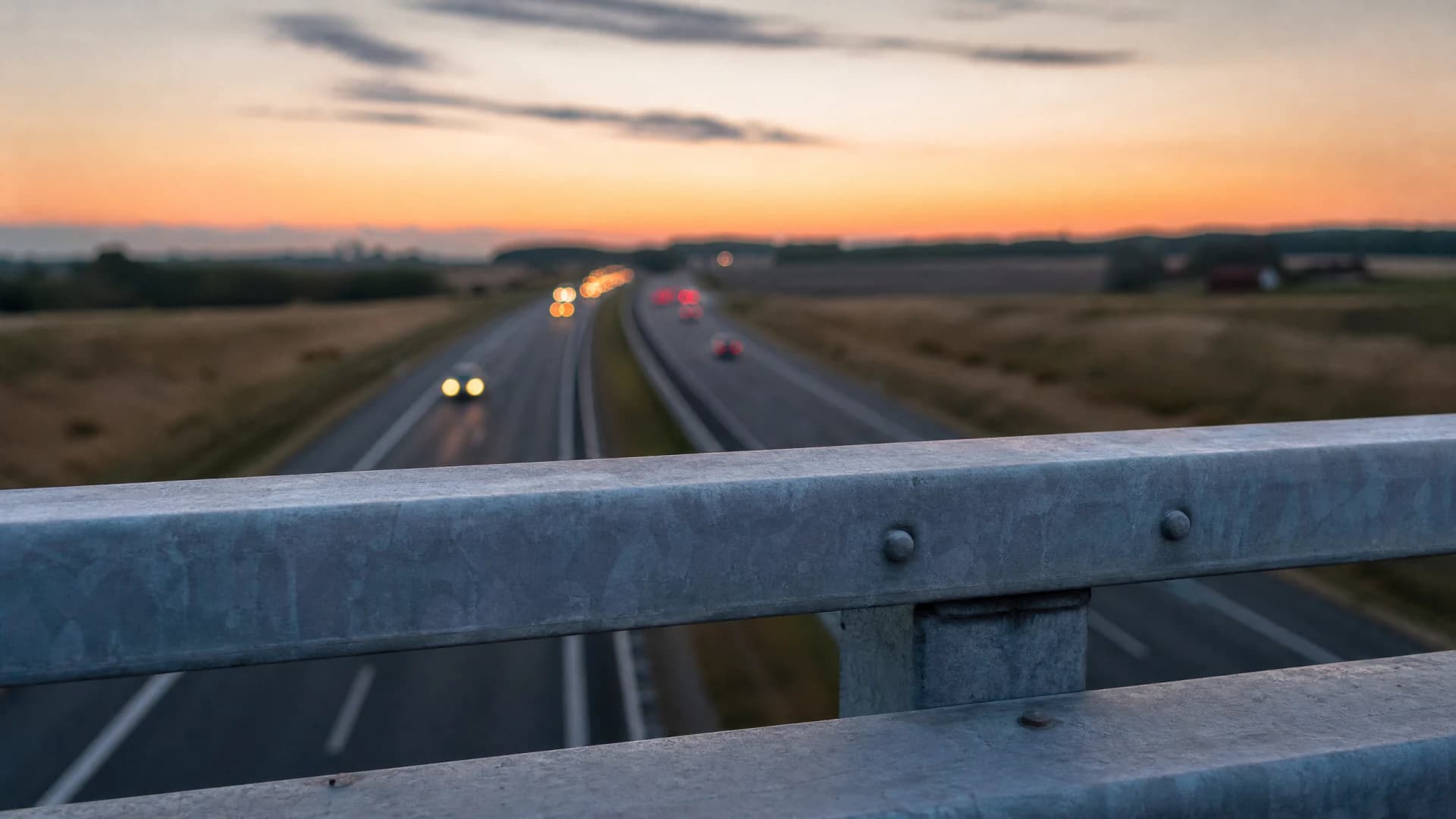
Your second violation pairs the SR-22 filing with a longer mandatory IID period. Most second-offense drivers owe 5 years of IID, which means 5 years of SR-22 filing even though the statutory minimum is 3.


Ignition Interlock License Eligibility After a Second Violation
Washington's Ignition Interlock License allows driving during suspension, but second-offense DUI cases face stricter eligibility rules than first offenders. Under RCW 46.20.385, you must complete a DOL-approved Alcohol/Drug Information School or substance abuse treatment program before IIL approval. First offenders can often apply for an IIL immediately upon suspension; second offenders typically face a mandatory waiting period before DOL will process the IIL application.
The IIL application requires proof of SR-22 insurance filing, proof of IID installation by a DOL-approved provider, payment of the $100 IIL application fee, and documentation that you have completed the required DIS or treatment program. If your first violation resulted in an IIL that was later revoked for non-compliance—missed IID calibrations, tampering, or failed rolling retests—DOL may impose an additional hard suspension period before you become eligible for a second IIL. This hard suspension period varies by the specific compliance failure and is determined case-by-case by DOL hearings officers.
Second-offense drivers cannot assume same-day IIL approval. Budget 2 to 4 weeks for DOL to process your application, verify your treatment completion, and cross-reference your SR-22 filing status. Any gaps in SR-22 coverage during this window will delay approval further or trigger automatic denial. Maintain continuous SR-22 filing from conviction date through the entire IID period to avoid procedural setbacks that add months to your total suspension.
$100
Washington IIL Application Fee
Washington charges a $100 application fee for the Ignition Interlock License under RCW 46.20.385. This fee is separate from the $75 base reinstatement fee you will owe when your full license eligibility is restored after completing the SR-22 and IID periods.
RCW 46.20.385 (Ignition Interlock License)
Carrier Behavior for Second-Violation Policies
Not every carrier that wrote your first SR-22 policy will renew after a second violation. Standard-tier carriers like State Farm and Allstate rarely underwrite policies for drivers with multiple DUI convictions within seven years. You will need a non-standard carrier: Dairyland, Bristol West, The General, Progressive's non-standard division, or National General all write repeat-offense policies in Washington, but premiums reflect the added risk. Expect monthly costs substantially higher than first-offense rates.
If you do not own a vehicle, request a non-owner SR-22 policy. Non-owner SR-22 coverage satisfies DOL's filing requirement without insuring a specific vehicle, which reduces premium cost compared to standard liability policies. Geico, Progressive, Dairyland, and USAA all write non-owner SR-22 policies in Washington. The policy provides liability coverage when you drive a borrowed or rented vehicle and maintains your SR-22 filing status continuously, which is critical for IIL compliance and eventual full reinstatement.
What Happens Next
File SR-22 immediately if you have not already. The 3-year minimum filing period starts on your conviction date, not your filing date, so delays do not reduce the total time owed. Contact a non-standard carrier licensed in Washington, request a quote that includes SR-22 filing, bind coverage, and verify that the carrier has filed electronically with DOL. If you plan to apply for an Ignition Interlock License, schedule IID installation with a DOL-approved provider and gather documentation of your completed DIS or treatment program before submitting your IIL application. Compare Washington SR-22 carriers writing repeat-violation policies to find coverage that meets DOL requirements and fits your budget for the full 5-year IID period.
SR-22 Filing Steps for Repeat Violations
Contact a carrier that writes non-standard auto policies in Washington. Geico, Progressive, Dairyland, Bristol West, The General, and National General all write SR-22 policies for repeat DUI and major violation cases. Request a quote specifying your conviction date, violation type, and that you need SR-22 filing. The carrier will price the policy based on your full driving record, including both violations. Expect higher premiums than first-offense drivers: repeat violations place you in the non-standard tier with surcharges that reflect your multi-year violation history.
Once you bind coverage, the carrier files SR-22 proof electronically with Washington DOL within 1 to 3 business days. You receive a copy of the SR-22 certificate for your records. DOL updates your compliance status in their system, which lifts the SR-22 filing block on your suspension. If you are applying for an Ignition Interlock License simultaneously, the SR-22 filing is a prerequisite: DOL will not approve your IIL application until an active SR-22 is on file and linked to a vehicle equipped with an approved IID.
Get Your Free Quote
Get My Washington SR-22 Auto Insurance QuoteFrequently Asked Questions
How long does SR-22 filing last after a second DUI in Washington?
Washington requires a minimum 3-year SR-22 filing period measured from the conviction date, but second-offense DUI cases typically carry a mandatory 5-year Ignition Interlock Device period under RCW 46.61.5055. You must maintain SR-22 filing for the full IID period, which extends the filing requirement to 5 years for most second-offense drivers.
Can I get an Ignition Interlock License immediately after a second violation?
Second-offense DUI cases in Washington face stricter Ignition Interlock License eligibility rules than first offenders. You must complete a DOL-approved Alcohol/Drug Information School or treatment program before DOL will process your IIL application. If your first IIL was revoked for non-compliance, DOL may impose a mandatory hard suspension period before you become eligible for a second IIL.
Which carriers write SR-22 policies for repeat DUI offenders in Washington?
Dairyland, Bristol West, The General, Progressive's non-standard division, and National General all write SR-22 policies for Washington drivers with multiple DUI convictions. Standard-tier carriers like State Farm and Allstate rarely underwrite repeat-offense cases. Expect higher premiums than first-offense rates due to non-standard tier classification.
Do I need to own a car to file SR-22 after a second violation?
No. Non-owner SR-22 policies satisfy Washington DOL's filing requirement without insuring a specific vehicle. Geico, Progressive, Dairyland, and USAA write non-owner SR-22 policies in Washington. The policy provides liability coverage when you drive borrowed or rented vehicles and maintains continuous SR-22 filing for IIL and reinstatement purposes.
What happens if my SR-22 filing lapses during the IID period?
Any gap in SR-22 coverage during the mandatory IID period triggers automatic DOL notification and may revoke your Ignition Interlock License immediately. The lapse resets your compliance clock: you must refile SR-22, pay reinstatement fees, and potentially reapply for IIL approval. Maintain continuous coverage for the full 5-year period to avoid procedural setbacks that extend your total suspension.