SR-22 With a Suspended License — Washington
Free to compare
You Need SR-22 Before You Can Reinstate
Your Washington license was suspended for DUI, driving uninsured, or causing an accident without coverage. You called your insurer or the DOL and were told you need something called SR-22 before you can get your license back. The timeline matters: Washington often requires proof of SR-22 insurance on file before you can even apply for an Ignition Interlock License or full reinstatement.
SR-22 is not a type of insurance. It is a certificate your carrier files electronically with the Washington Department of Licensing to prove you are carrying at least the state minimum liability coverage: $25,000 bodily injury per person, $50,000 per accident, and $10,000 property damage. Your carrier charges a one-time filing fee and sends the form to DOL. The filing stays active for three years from the date DOL requires it, and any lapse triggers immediate re-suspension.
“Washington will not issue an Ignition Interlock License until your SR-22 filing is active with DOL.”

Get Back on Washington Roads With the Right SR-22
Get My Washington SR-22 Auto Insurance Quote3 years
Washington SR-22 Filing Period
Washington requires continuous SR-22 insurance for three years following most DUI and financial-responsibility suspensions. The clock starts on the reinstatement date or IIL issue date, not the suspension date. Allowing your policy to lapse during this period triggers automatic re-suspension.
RCW 46.29 and DOL reinstatement requirements
Washington Runs Two Suspension Tracks Simultaneously
Washington separates DOL administrative suspensions from court-ordered suspensions, and each track has distinct reinstatement requirements. A DUI arrest typically triggers both: DOL suspends your license administratively under the Implied Consent law for refusing a breath test or testing over the legal limit, and the criminal court issues a separate suspension if you are convicted. These run concurrently or consecutively depending on timing and offense history.
The DOL administrative suspension for a first-offense DUI is 90 days for failing a breath test or one year for refusing. The court suspension for a DUI conviction adds additional time on top. Both suspensions require SR-22, but the reinstatement process differs. DOL requires SR-22 on file before it will issue an Ignition Interlock License. The court may require proof of SR-22 as a condition of probation or as part of the criminal sentence.
If your suspension was triggered by driving uninsured or failing to satisfy a judgment after an accident, you are dealing with a financial-responsibility suspension under RCW 46.29. These also require SR-22. The suspension remains in effect until you file proof of insurance and pay the $75 base reinstatement fee. DOL will not lift the suspension until the SR-22 is on file and any outstanding judgments are satisfied.
Washington will not issue an Ignition Interlock License until your SR-22 filing is active with DOL. You cannot drive legally—even with an IID installed—until the SR-22 is on file.




Getting SR-22 While Suspended Is Straightforward
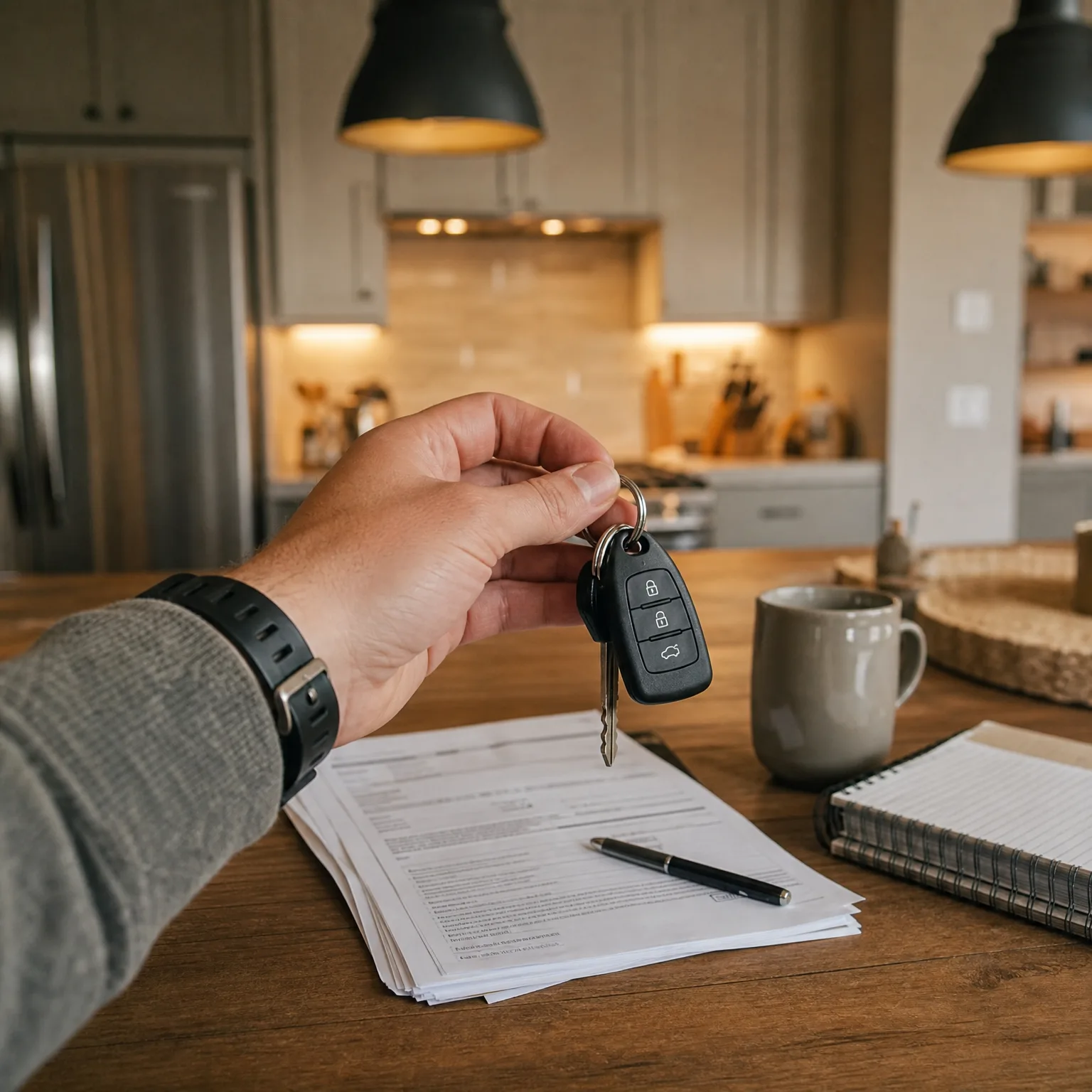
You do not need to own a vehicle to obtain SR-22 insurance. If you do not currently own a car but need SR-22 on file to reinstate your license or qualify for an IIL, you purchase a non-owner SR-22 policy. This covers you when driving any vehicle you do not own—borrowed cars, rentals, or a vehicle you will purchase later. Non-owner policies cost less than standard policies because they do not cover a specific vehicle; typical monthly premiums in Washington range from $30 to $70 depending on your violation history.
If you own a vehicle, you obtain SR-22 as an addition to your standard auto liability policy. Your current carrier may offer SR-22 filing, or you may need to switch to a carrier that writes high-risk policies. Carriers like Dairyland, Bristol West, Progressive, Geico, The General, and National General all write SR-22 policies in Washington. The filing fee is typically $25 to $50, paid once at the start of the policy.
Once your policy is active, the carrier files the SR-22 electronically with DOL. You receive a copy for your records, but DOL is the entity that needs to see it. Confirm the filing is on record by calling DOL or checking your driver record online before you apply for reinstatement or an IIL. If the SR-22 is not showing as active in DOL's system, your application will be denied or delayed.
$75
Washington Base Reinstatement Fee
Washington charges a $75 base reinstatement fee to lift most suspensions. Additional cause-specific fees may apply depending on your violation. DUI-related reinstatements also require completion of a DOL-approved Alcohol/Drug Information School and IID installation before reinstatement is granted.
Washington DOL reinstatement fee schedule
Letting SR-22 Lapse Triggers Immediate Re-Suspension
Washington requires continuous SR-22 coverage for the full three-year period. If you cancel your policy, switch carriers without ensuring the new carrier files SR-22, or allow your policy to lapse for non-payment, DOL receives an electronic cancellation notice and re-suspends your license immediately. There is no grace period. The suspension remains in effect until you obtain new SR-22 coverage and pay another reinstatement fee.
Carriers report policy cancellations and lapses to DOL through Washington's electronic insurance verification system. This happens automatically. Even a one-day lapse counts as a violation of your SR-22 requirement. If you need to switch carriers during the three-year period, confirm the new carrier has filed SR-22 with DOL before you cancel the old policy. Overlap is safer than gaps.
Start With SR-22 Filing to Unlock Your Next Step
SR-22 is the procedural gate that unlocks your path forward. Whether you are applying for an Ignition Interlock License to drive immediately or waiting out your suspension period before full reinstatement, Washington will not process your application until SR-22 is on file. Obtain the policy first, confirm DOL has received the filing, then move to the next step. Compare SR-22 carriers writing in Washington to find coverage that fits your budget and meets the state's filing requirement—quotes vary significantly by carrier and violation type.
SR-22 Must Be Active Before You Apply for an IIL
The IIL allows you to drive anywhere at any time in Washington, but only in a vehicle equipped with a DOL-approved ignition interlock device. There are no route or time restrictions once the IIL is issued. To apply, you must submit proof of IID installation from a DOL-approved provider, proof of SR-22 insurance on file with DOL, and pay a $100 application fee. If you have other outstanding suspensions that disqualify you, the IIL application will be denied.
SR-22 timing is critical. Your carrier files the SR-22 electronically, and DOL processes it within one to three business days in most cases. Until DOL confirms the filing is active, your IIL application is incomplete. This means you should obtain SR-22 insurance and confirm the filing is on record with DOL before scheduling your IID installation appointment or submitting your IIL paperwork. Doing these steps out of order creates delays.
Get Your Free Quote
Get My Washington SR-22 Auto Insurance QuoteFrequently Asked Questions
Can I get SR-22 insurance if my license is currently suspended in Washington?
Yes. Washington allows you to obtain SR-22 insurance while your license is suspended. In fact, SR-22 must be on file with DOL before you can apply for an Ignition Interlock License or full reinstatement. If you do not own a vehicle, purchase a non-owner SR-22 policy.
How much does SR-22 insurance cost in Washington?
Non-owner SR-22 policies in Washington typically cost $30 to $70 per month. If you own a vehicle, expect standard liability premiums plus a one-time SR-22 filing fee of $25 to $50. Rates vary by carrier, violation type, age, and county.
Do I need SR-22 to get an Ignition Interlock License in Washington?
Yes. Washington requires proof of SR-22 insurance on file with DOL before it will issue an Ignition Interlock License. The IIL application cannot be processed without an active SR-22 filing. Obtain SR-22 coverage before scheduling your IID installation or submitting your IIL paperwork.
What happens if my SR-22 insurance lapses in Washington?
DOL re-suspends your license immediately if your SR-22 insurance lapses or is cancelled. Washington's electronic verification system notifies DOL automatically when a policy ends. There is no grace period. You must obtain new SR-22 coverage and pay another reinstatement fee to lift the suspension.
How long do I have to carry SR-22 in Washington?
Washington requires continuous SR-22 insurance for three years from the date DOL mandates it, typically the reinstatement or IIL issue date. The requirement applies to most DUI and financial-responsibility suspensions. Allowing your policy to lapse during this period triggers automatic re-suspension.