
High-Risk SR-22 Insurance — Washington
Free to compare
The Carrier Rejection You Just Hit
You called your current carrier to add SR-22 filing to your policy after your DUI suspension and they told you they cannot write the policy. You called three more companies and two wouldn't quote at all; the third quoted $380 per month. You expected SR-22 to cost more, but you didn't expect to be uninsurable at any standard-tier carrier.
Washington's insurance market splits into tiers that write different risk profiles. Your suspension trigger moved you out of the standard tier where your previous carrier operates and into the non-standard tier where carriers specialize in exactly your situation. The rejection wasn't personal — it was automatic underwriting criteria you now fall outside. The path to coverage requires understanding which tier writes your specific trigger and what those carriers require.
“Standard-tier carriers cannot legally write your policy if your suspension trigger falls outside their filed underwriting guidelines — the rejection is regulatory, not discretionary.”

Get Back on Washington Roads With the Right SR-22
Get My Washington SR-22 Auto Insurance Quote$140–$220/mo
Washington Non-Standard SR-22 Premium
Non-standard carriers writing DUI, suspended-license, and after-points SR-22 policies in Washington quote monthly premiums in this range for minimum liability coverage with continuous SR-22 filing. Standard-tier carriers either decline these risks entirely or quote 40–60% higher.
Carrier rate filings and quote aggregation data, Washington market, 2024
What High-Risk Actually Means in Washington
High-risk is not moral judgment — it is actuarial classification. Carriers group drivers by claim-probability models. A DUI conviction, a suspension for uninsured driving, or accumulation of multiple violations moves you into a statistical category where the carrier's loss ratio exceeds their standard-tier underwriting threshold. Standard-tier carriers like State Farm, Allstate, and Farmers write preferred and standard risks; they do not write high-risk policies as a business practice.
Non-standard carriers — Bristol West, Dairyland, The General, National General, Progressive's non-standard division — exist specifically to write policies standard-tier carriers reject. Their pricing models account for higher claim probability. Their underwriting accepts suspension triggers, DUI convictions, SR-22 filing requirements, and ignition interlock device installation as standard business. You are not an exception they reluctantly accommodate; you are their core customer.
Washington requires minimum liability limits of 25/50/10. Non-standard carriers quote these minimums because suspended drivers reinstating after DUI or points-based suspension typically carry no vehicle loan requiring comprehensive or collision coverage. If you own your vehicle outright and need only the SR-22 filing to satisfy Department of Licensing reinstatement requirements, minimum liability is the correct starting coverage.
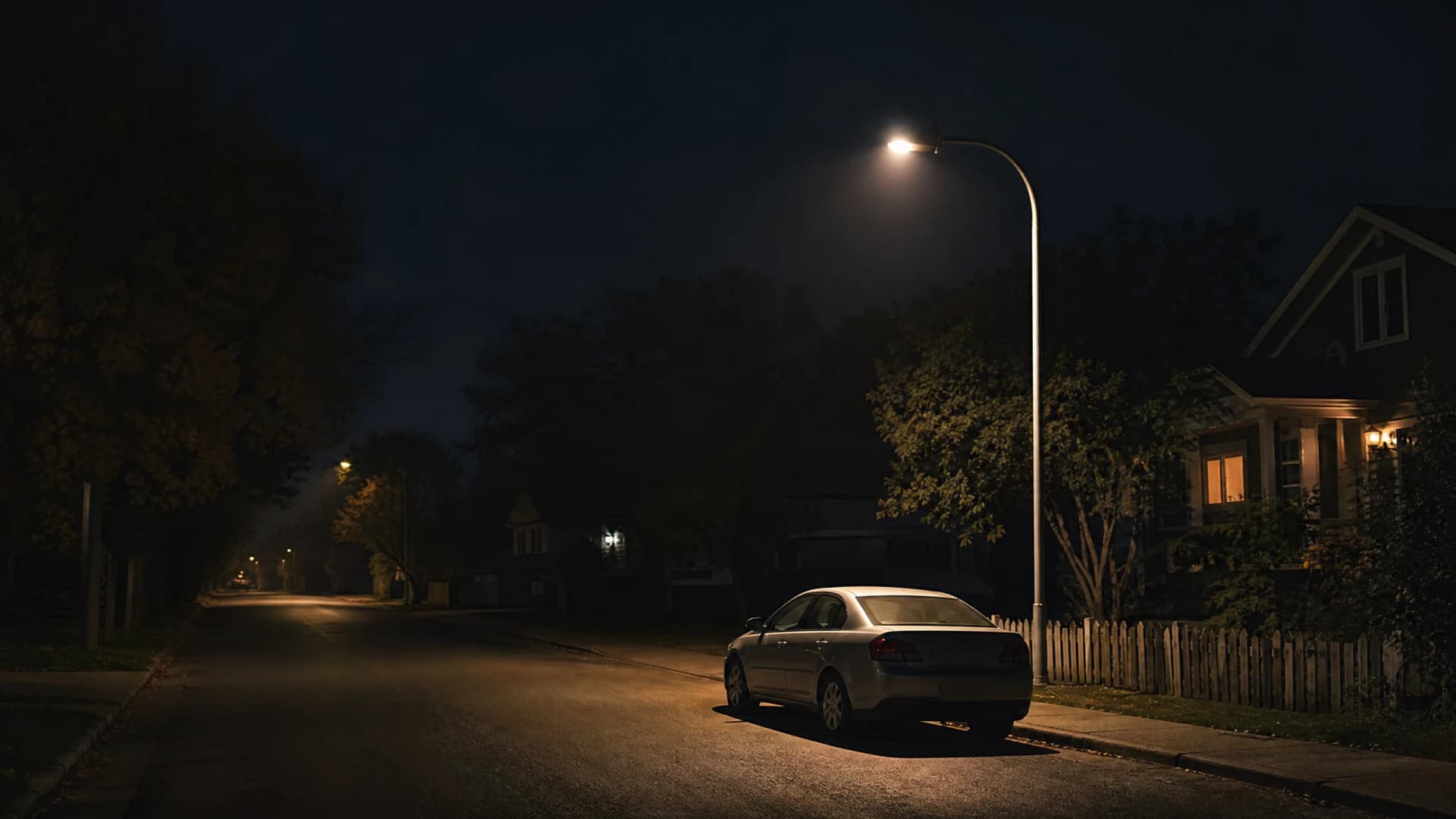
Standard-tier carriers cannot legally write your policy if your suspension trigger falls outside their filed underwriting guidelines — the rejection is regulatory, not discretionary.





The Three-Year SR-22 Filing Window
Washington requires continuous SR-22 filing for three years from the date the Department of Licensing processes your filing, not from your conviction date or suspension start date. If your suspension began in January but you did not secure insurance and file SR-22 until April, your three-year clock starts in April. The filing period does not reduce for good behavior or early reinstatement — it runs the full three years regardless.
A lapse during the filing period resets the clock. If your carrier cancels your policy for non-payment in month 28 of your filing period, the DOL receives electronic notification of the lapse within days. Your driving privilege suspends again immediately, and when you reinstate with a new SR-22 filing, the three-year period restarts from day one. This makes continuous payment critical. Non-standard carriers offer monthly payment plans, but missing a payment triggers faster cancellation than standard-tier policies because the carrier's risk exposure is higher.
Some suspended drivers assume they can skip insurance during the hard suspension period and add SR-22 only when applying for reinstatement. Washington law does not require you to carry insurance while your license is fully suspended and you are not driving, but obtaining SR-22 filing early demonstrates financial responsibility and can smooth your reinstatement application. If you plan to apply for an Ignition Interlock License immediately, you must have active SR-22 coverage before the DOL processes your IIL application.
3 years
Washington SR-22 Filing Period
Measured from the date DOL processes your SR-22 filing, not your conviction or suspension date. Any lapse in coverage during this period triggers immediate suspension and restarts the full three-year clock from the date of your new filing.
RCW 46.29.090, Washington Department of Licensing SR-22 requirements

Non-Owner SR-22 When You Sold Your Vehicle
If you sold your vehicle after suspension or do not currently own a car, you still need SR-22 filing to satisfy reinstatement requirements. Non-owner SR-22 policies provide liability coverage when you drive a vehicle you do not own — a borrowed car, a rental, or a vehicle you will purchase after reinstatement. Dairyland, The General, Geico, Progressive, and USAA all write non-owner SR-22 policies in Washington.
Non-owner premiums run $60–$110 per month for minimum liability limits with SR-22 filing, roughly 30–40% lower than standard owner policies because the carrier's exposure is lower when you do not have daily access to a vehicle. The policy satisfies your SR-22 filing obligation and allows you to drive legally during your suspension period if you hold an Ignition Interlock License, but it does not cover a vehicle you own or a vehicle available for your regular use. If you live with a family member who owns a car and you drive it regularly, you need a standard policy with SR-22, not a non-owner policy.
Compare Carriers and Lock Your Rate
Non-standard carriers quote different premiums for identical coverage because their actuarial models weight your violation history differently. A DUI in one county may fall into a different risk band than the same violation in another county based on regional claim data. Your age, your vehicle type if you own one, and the specific timing of your suspension all affect which carrier quotes lowest for your profile. Comparing at least three non-standard carriers writing your trigger produces the lowest defensible rate.
Washington operates an electronic insurance verification system that cross-references your SR-22 filing with DOL records in near real-time. When you purchase a policy and the carrier files SR-22 electronically, the DOL receives confirmation within 24–72 hours. This makes your choice of carrier and your payment reliability the two variables you control in the reinstatement timeline. Choosing a carrier you can afford to pay continuously for three years matters more than choosing the absolute lowest monthly premium if that low rate comes with strict payment deadlines you might miss.
Which Carriers Write Your Trigger in Washington
DUI and alcohol-related suspensions: Bristol West, Dairyland, Geico (non-standard division), Progressive, The General, and National General all write SR-22 policies for DUI-suspended Washington drivers. These carriers require proof of ignition interlock device installation if you hold an Ignition Interlock License under RCW 46.20.385. The IID certificate from your DOL-approved provider becomes part of your insurance application documentation. Carriers view the IID as risk mitigation — you cannot start the vehicle without passing the breath test, which lowers their claim probability during your restricted driving period.
Suspended for uninsured driving, lapsed coverage, or failure to maintain financial responsibility: Dairyland, The General, Progressive, and Geico write these triggers without requiring IID because the suspension cause is administrative rather than impairment-related. These policies carry slightly lower premiums than DUI-trigger SR-22 because actuarial loss models show lower repeat-violation rates. Points-based suspensions fall into this same tier. If your suspension resulted from accumulating tickets rather than a single major violation, you quote with the same carrier set as lapse-triggered suspensions.
Get Your Free Quote
Get My Washington SR-22 Auto Insurance QuoteFrequently Asked Questions
Can I get SR-22 insurance in Washington if I have a DUI?
Yes. Non-standard carriers including Bristol West, Dairyland, Geico, Progressive, The General, and National General all write SR-22 policies for DUI-suspended Washington drivers. If you hold an Ignition Interlock License you will need to provide proof of IID installation from your DOL-approved provider as part of the application. Expect monthly premiums of $140–$220 for minimum liability coverage.
How long do I need to maintain SR-22 in Washington?
Washington requires continuous SR-22 filing for three years from the date the Department of Licensing processes your filing. The period does not reduce for good behavior. Any lapse in coverage during the three years triggers immediate suspension and restarts the full three-year clock from your new filing date.
What happens if my SR-22 insurance lapses in Washington?
Your carrier electronically notifies the Washington DOL within days of cancellation. The DOL suspends your driving privilege immediately. To reinstate, you must obtain new insurance, file a new SR-22, pay a $75 reinstatement fee, and restart the full three-year filing period from day one.
Do I need SR-22 insurance if my license is suspended in Washington?
It depends on what triggered your suspension. DUI, reckless driving, uninsured driving, and insurance lapse suspensions typically require SR-22 for reinstatement. Points-based suspensions sometimes require it. Suspensions for unpaid tickets, child support arrears, or failure to appear usually do not. Check your suspension notice or contact the DOL to confirm your specific requirement.
Can I get non-owner SR-22 insurance in Washington?
Yes. Dairyland, The General, Geico, Progressive, and USAA write non-owner SR-22 policies in Washington. These policies provide liability coverage when you drive a vehicle you do not own and satisfy your SR-22 filing requirement. Premiums run $60–$110 per month, roughly 30–40% lower than standard owner policies.
Why won't my regular insurance company add SR-22 to my policy?
Standard-tier carriers like State Farm, Allstate, and Farmers file underwriting guidelines with the state that exclude high-risk triggers including DUI, suspension, and certain violation patterns. The rejection is regulatory — they cannot legally write your policy if your trigger falls outside their filed criteria. You need a non-standard carrier that underwrites your specific suspension cause.