
Lowering SR-22 Insurance Costs — Washington
Free to compare
Why Your SR-22 Quote Is Higher Than It Needs to Be
You just received your first SR-22 insurance quote in Washington and the monthly premium is double what you paid before suspension. The agent told you SR-22 is expensive and that's just how it works. What they didn't mention: the SR-22 filing itself adds almost nothing to your cost — the premium increase comes from the non-standard tier you've been moved into, and different carriers price that tier completely differently.
Washington requires SR-22 insurance for three years after DUI convictions, driving uninsured, or certain other violations. The filing is a certificate your insurer submits to the Washington Department of Licensing proving you carry at least the state minimum liability coverage of $25,000 per person, $50,000 per accident, and $10,000 property damage. The filing fee ranges from $15 to $50 depending on carrier. The real cost driver is the underwriting tier — and that's where comparison shopping matters.
“Carrier A might price the same Seattle DUI driver at $180/month while Carrier B quotes $280 — both file SR-22, the $100 gap is pure tier pricing.”

Get Back on Washington Roads With the Right SR-22
Get My Washington SR-22 Auto Insurance Quote$15–$50
WA SR-22 Filing Fee Range
The one-time SR-22 filing fee in Washington varies by carrier — some charge $15, others $50, and a few waive it entirely for new policies. This fee is separate from your premium and is charged again if you switch carriers during the three-year filing period.
Washington carrier disclosure documents
The Non-Standard Tier Gap No One Explains
SR-22 filers in Washington are underwritten as non-standard or high-risk drivers. Standard-tier carriers either decline to write the policy at all or move you into a separate underwriting tier with its own rate structure. This tier shift is what multiplies your premium — not the $25 filing fee.
Here's the structural confusion most drivers hit: they assume all carriers use the same non-standard pricing model. They don't. Carrier A might price a 35-year-old Seattle driver with one DUI at $180/month while Carrier B quotes the same profile at $280/month. Both file SR-22. Both meet state minimums. The $100 monthly gap exists because the carriers weight your violation differently in their proprietary models.
The gap widens in King County and other urban markets where uninsured motorist rates and theft statistics push base premiums higher. A Spokane driver with identical violation history will see smaller absolute premium differences between carriers, but percentage gaps remain similar. Geography layers on top of tier pricing — it doesn't replace the variation.

Most Washington SR-22 filers accept the first quote and never compare carriers. That decision costs them $1,200–$3,600 over the three-year filing period.



The Post-Reinstatement Window Most Drivers Miss
Washington requires three years of continuous SR-22 filing from your conviction date. Most drivers assume their rate is locked for that entire period. It's not. Your premium reflects your risk profile at the time of underwriting — and that profile improves every month you drive without a new violation.
Request re-quotes at the 12-month and 24-month marks even if you stay with the same carrier. Underwriters re-evaluate your tier placement based on time since violation, and many carriers will move you to a lower-risk tier without telling you proactively. If your current carrier won't budge, shop competitors. A driver who was quoted $220/month at month one might qualify for $140/month at month 12 with a different carrier writing the same SR-22 filing.
The three-year filing requirement does not mean you must keep the same policy for three years. You can switch carriers anytime as long as coverage never lapses and the new carrier files SR-22 immediately. Washington monitors continuous compliance electronically — any gap longer than one day triggers an automatic suspension notice from the Department of Licensing.
3 years
WA SR-22 Filing Period
Washington requires SR-22 insurance for three years after DUI convictions and certain other violations. The period begins on your conviction date, not your filing date — if you delay obtaining SR-22, you extend the total time until the requirement lifts.
RCW 46.29.490
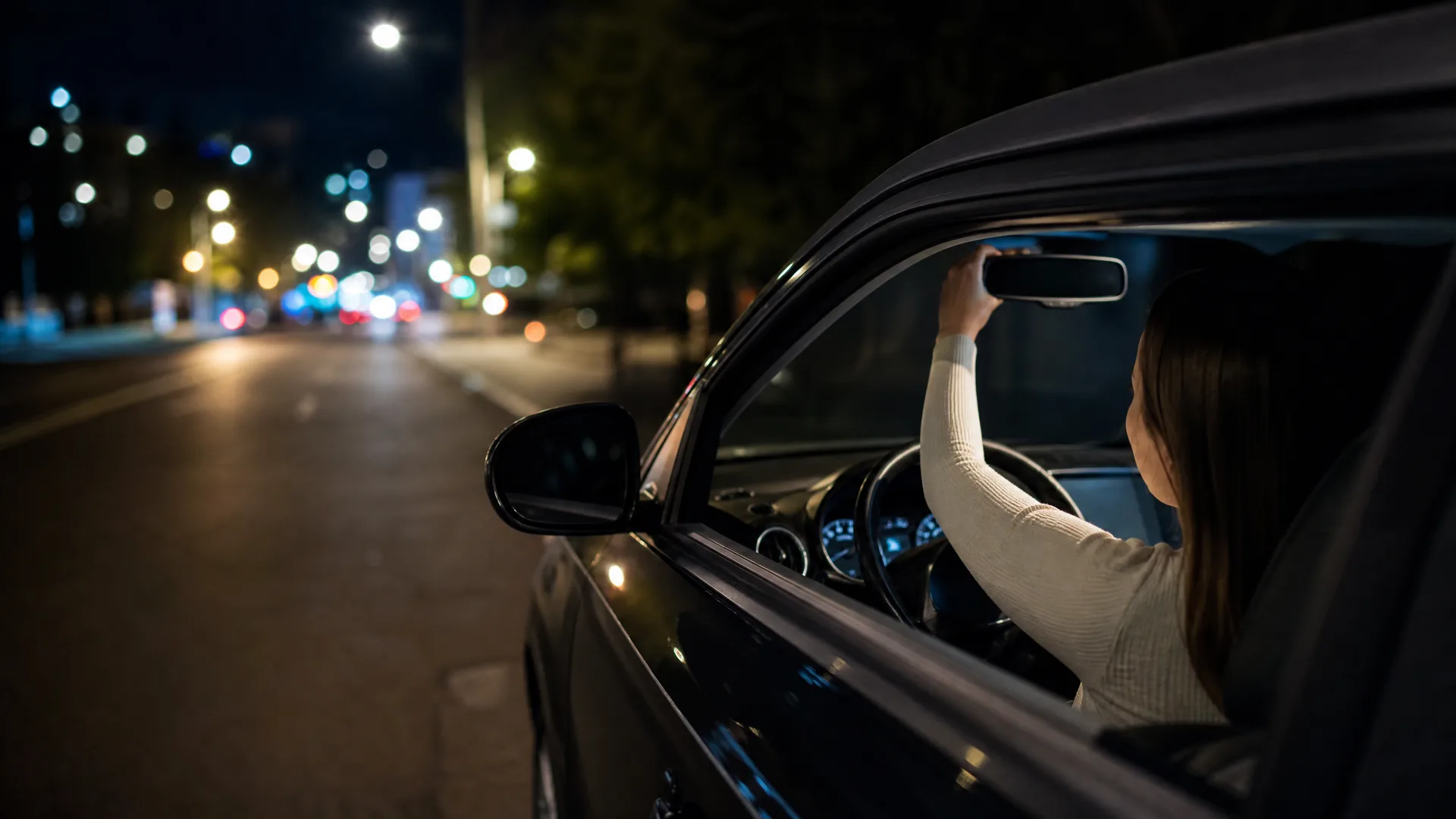
Non-Owner SR-22 When You Don't Own a Vehicle
If you don't own a vehicle but need SR-22 to reinstate your Washington license, non-owner SR-22 policies cost significantly less than standard policies. Non-owner coverage provides liability insurance when you drive borrowed or rental vehicles — it does not cover a specific car you own.
Non-owner SR-22 premiums in Washington typically run $40–$80 per month depending on your violation and county. Geico, Progressive, Dairyland, The General, and USAA all write non-owner SR-22 in Washington. The filing fee is the same as standard SR-22. You can switch from non-owner to standard SR-22 if you buy a vehicle later without restarting your three-year filing clock — the Department of Licensing tracks continuous compliance, not policy type.
What Happens After Your SR-22 Period Ends
Your SR-22 requirement lifts automatically three years after your conviction date. Washington does not send a notification when the period ends — the Department of Licensing simply stops requiring the filing. Your insurer will notify you that SR-22 is no longer mandated, but your policy does not automatically cancel or reprice.
This is the second comparison window most drivers miss. Once SR-22 drops, you're eligible to move back into standard-tier underwriting with many carriers. Request quotes from standard-tier carriers the month your SR-22 period ends. Drivers who had been paying $160/month for non-standard SR-22 coverage often qualify for $90–$110/month standard policies once the filing requirement lifts. Your three-year-old violation still appears on your record, but its weight in underwriting models decreases sharply once you're no longer in an active filing period. Compare at least three standard carriers — State Farm, Allstate, and Farmers often offer better post-SR-22 rates than the non-standard specialists who carried you during the filing period.
How to Compare SR-22 Carriers in Washington
Start by verifying which carriers write SR-22 policies in Washington and can file electronically with the Department of Licensing. Electronic filing matters because paper filings take longer and increase the risk of processing errors that trigger suspension notices. Geico, Progressive, State Farm, Dairyland, Bristol West, The General, National General, and USAA all write SR-22 in Washington and support electronic filing. Request quotes from at least three carriers that specialize in non-standard auto — not just the carrier you used before suspension.
Compare total three-year cost, not just monthly premium. A carrier charging $15 less per month but $50 more in filing fees breaks even at month four. Ask each carrier what happens to your rate at the one-year and two-year marks — some carriers reduce premiums automatically as time passes without new violations, others require you to request re-rating. Dairyland and Bristol West both operate step-down programs that lower premiums after 12 months of clean driving. Progressive and Geico typically require manual re-quote requests.
Get Your Free Quote
Get My Washington SR-22 Auto Insurance QuoteFrequently Asked Questions
How much does SR-22 insurance cost in Washington?
SR-22 insurance premiums in Washington vary by carrier, violation type, and location. The SR-22 filing fee itself ranges from $15 to $50 depending on carrier. Monthly premiums for drivers with DUI or uninsured violations typically range from $120 to $280, with non-owner SR-22 policies costing $40 to $80 per month. Individual rates depend on your driving history, age, county, and the carrier's non-standard tier pricing model.
Can I switch SR-22 insurance carriers in Washington?
Yes. You can switch SR-22 carriers anytime during your three-year filing period as long as coverage never lapses. The new carrier must file SR-22 electronically with the Washington Department of Licensing before your old policy cancels. Any gap in coverage — even one day — triggers an automatic suspension notice. Request the new carrier file SR-22 at least three business days before your old policy end date to ensure continuous compliance.
Does SR-22 insurance cost more in Seattle than other Washington cities?
Yes. King County drivers typically pay higher SR-22 premiums than drivers in Spokane, Tacoma, or rural counties because base liability rates reflect local uninsured motorist rates, theft statistics, and accident density. The percentage gap between carriers remains similar across the state, but absolute dollar differences are larger in Seattle. A Seattle driver might see a $100/month spread between cheapest and most expensive SR-22 carriers where a Spokane driver sees a $60/month spread for the same violation.
Will my SR-22 rate go down after one year in Washington?
Your SR-22 premium can decrease after 12 months of violation-free driving, but most carriers require you to request re-rating — they won't lower your rate automatically. Dairyland and Bristol West operate step-down programs that reduce premiums at the one-year mark for clean driving records. Progressive, Geico, and State Farm typically require you to request a new quote. Shop at least three carriers at your 12-month and 24-month marks to find the best available rate.
What happens to my insurance after my SR-22 period ends in Washington?
Your SR-22 requirement lifts automatically three years after your conviction date. Washington does not notify you when the period ends — your carrier will inform you that SR-22 is no longer mandated. Your policy continues at its current rate unless you request new quotes. Many drivers qualify for standard-tier pricing once SR-22 drops, often saving $50 to $100 per month. Request quotes from standard carriers the month your filing period ends to move out of non-standard tier pricing.
Do I need SR-22 insurance if I don't own a car in Washington?
Yes, if the state requires SR-22 to reinstate your license. Non-owner SR-22 policies provide liability coverage when you drive borrowed or rental vehicles and satisfy Washington's SR-22 filing requirement. Non-owner SR-22 costs $40 to $80 per month in Washington — significantly less than standard SR-22 policies. Geico, Progressive, Dairyland, The General, and USAA all write non-owner SR-22 in Washington and file electronically with the Department of Licensing.