Non-Owner SR-22 Without a Vehicle — Washington
Free to compare
The Suspended-Without-a-Vehicle Problem
Your Washington driver's license is suspended, you surrendered your vehicle or never owned one, and the DOL reinstatement checklist still lists SR-22 insurance as a required item. You are not insuring a car you don't drive — the filing itself is the requirement. Non-owner SR-22 policies exist specifically for this structural reality: they satisfy Washington's SR-22 filing obligation without requiring vehicle ownership or registration.
This friction hits hardest when the suspension trigger was DUI-related, uninsured driving, or an at-fault accident without coverage. Washington ties SR-22 to the driver, not the vehicle. The DOL wants proof you will carry liability coverage whenever you drive, regardless of whose car you use. Non-owner SR-22 delivers exactly that — minimum liability limits attached to your driver profile, filed electronically with the state.
“Non-owner SR-22 attaches liability coverage to you as the driver, satisfying Washington's filing requirement without owning a vehicle.”
Get Back on Washington Roads With the Right SR-22
Get My Washington SR-22 Auto Insurance Quote$25–$50/mo
WA Non-Owner SR-22 Premium
Non-owner policies cost significantly less than standard auto insurance because they carry no collision or comprehensive coverage and assume occasional rather than daily driving. Actual cost varies by violation history and county.
Washington carrier rate filings, 2025
What Non-Owner SR-22 Actually Covers
A non-owner SR-22 policy provides liability coverage when you drive a vehicle you do not own. Washington minimum liability limits apply: $25,000 bodily injury per person, $50,000 bodily injury per accident, $10,000 property damage. The policy attaches to you as the driver, not to a specific vehicle. If you borrow a friend's car, rent a car, or use a household member's vehicle occasionally, the non-owner policy covers your liability if you cause an accident.
The policy does NOT cover damage to the vehicle you are driving — that falls under the owner's collision coverage or your responsibility if uninsured. Non-owner SR-22 also does NOT satisfy vehicle registration requirements. If you later buy a car, you must convert to a standard auto policy with SR-22 endorsement before registering or driving that vehicle.
The SR-22 filing component is the critical piece for DOL reinstatement. The carrier electronically files the SR-22 certificate with Washington DOL, confirming continuous liability coverage. As long as the policy stays active and premiums stay paid, the SR-22 filing remains in effect. If the policy lapses or cancels, the carrier notifies DOL within 10 days and your driving privilege suspends again immediately.
Non-owner SR-22 satisfies DOL filing requirements but does NOT replace vehicle-owner insurance if you later buy a car — you must notify the carrier and convert the policy before driving.

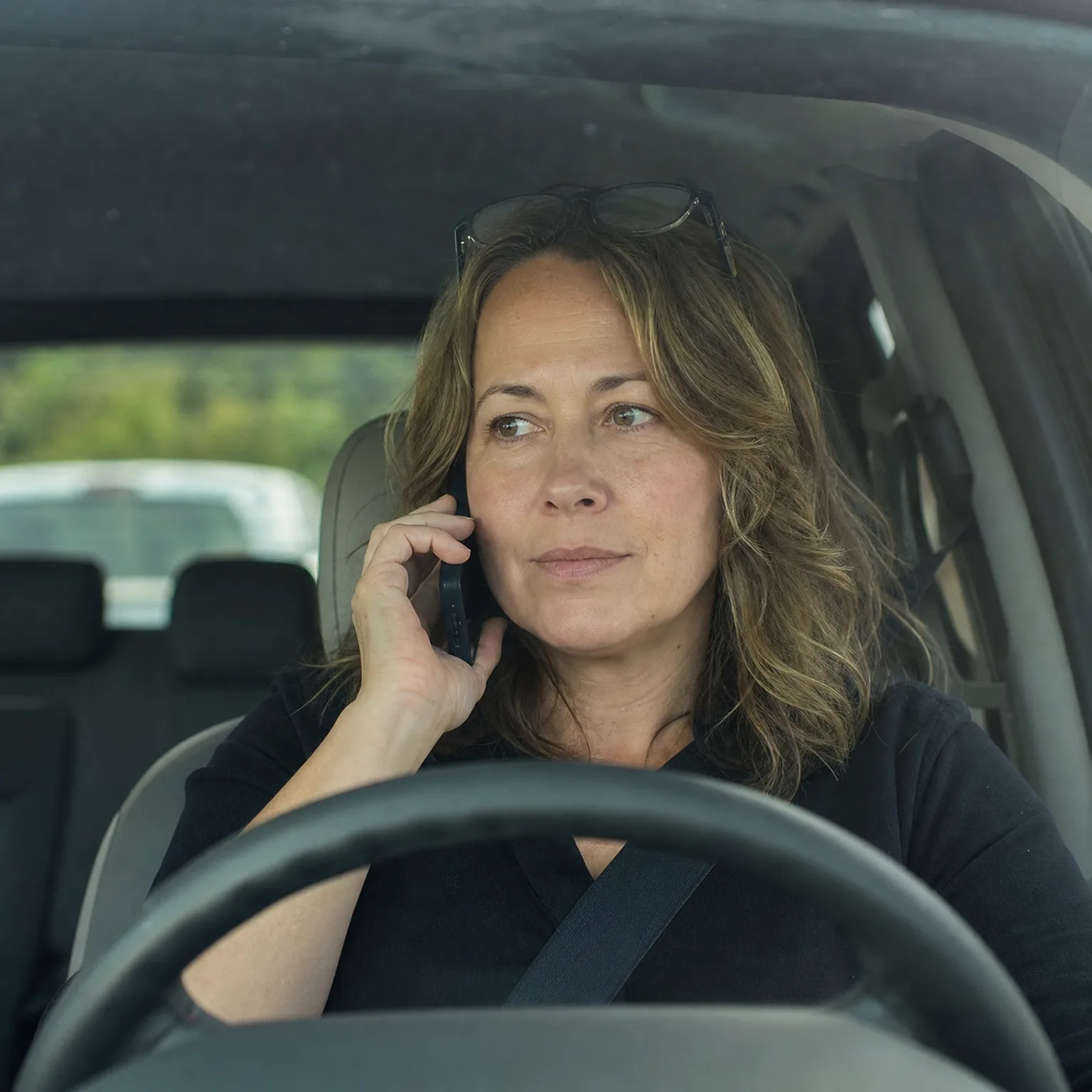
Non-Owner SR-22 and Ignition Interlock License Interaction
Washington replaced traditional hardship licenses with the Ignition Interlock License (IIL) for DUI-related suspensions under RCW 46.20.385. IIL allows driving anywhere at any time, but only in vehicles equipped with a DOL-approved ignition interlock device. If your suspension is DUI-triggered and you plan to apply for an IIL, non-owner SR-22 creates a structural problem: you cannot install an IID in a vehicle you do not own.
The IIL pathway requires proof of IID installation from a DOL-approved provider before the license issues. Non-owner insurance does not solve this — the vehicle must be registered to you or a household member willing to install the device. If you do not own a vehicle and need IIL eligibility, you must either purchase a vehicle, arrange long-term access to a household member's vehicle with their consent to install the IID, or serve the full suspension period without driving. Non-owner SR-22 works for reinstatement after suspension ends, but it does not unlock IIL eligibility during suspension for DUI cases.
For non-DUI suspensions where IIL does not apply (points accumulation, unpaid fines, uninsured driving without DUI), non-owner SR-22 satisfies the insurance filing requirement without vehicle ownership complications. Washington does not issue hardship licenses for non-DUI triggers — you serve the full suspension, maintain non-owner SR-22 continuously, and reinstate when the period ends.
3 years
WA SR-22 Filing Duration
Washington typically requires SR-22 filing for 3 years from the reinstatement date for DUI, reckless driving, and uninsured-accident suspensions. The filing period runs continuously — any lapse restarts the 3-year clock from zero.
RCW 46.29, Washington DOL reinstatement guidelines

When You Buy a Vehicle Later
If you purchase or register a vehicle while holding a non-owner SR-22 policy, notify your carrier immediately before driving the new vehicle. Non-owner policies do not cover vehicles you own or regularly use. The carrier must convert your policy to a standard auto policy with SR-22 endorsement, adding the vehicle to the policy with collision and comprehensive coverage if financed or leased. Failure to notify the carrier before driving creates a coverage gap — if you cause an accident in an owned vehicle while holding only non-owner coverage, the claim may be denied and DOL may treat the incident as driving uninsured, triggering a new suspension.
The SR-22 filing transfers to the new policy without interruption if you notify the carrier before the conversion. Most carriers handle this as a policy endorsement rather than a cancellation and rewrite, preserving the continuous filing record with DOL. Premium increases when you add a vehicle because the policy now covers physical damage and assumes daily driving rather than occasional use. Expect monthly cost to rise from the $25–$50 non-owner range to $140–$220/month or higher depending on vehicle value, coverage selections, and violation history.
Compare Non-Owner SR-22 Carriers Now
Non-owner SR-22 pricing varies significantly by carrier even for identical coverage limits. One carrier may quote $28/month while another quotes $62 for the same driver profile and violation trigger. Washington does not regulate non-owner premium rates as tightly as standard auto, and carriers assess non-owner risk using proprietary models that weight suspension cause, time since violation, and county differently. Multi-carrier comparison is not optional — it directly controls your monthly cost for the next 36 months.
Use the site's comparison tool to request quotes from all carriers writing non-owner SR-22 in Washington. Submit one application and receive quotes from Bristol West, Dairyland, Geico, Progressive, The General, and other licensed carriers simultaneously. Verify each quote includes SR-22 electronic filing with DOL and confirms Washington minimum liability limits. Bind the lowest-cost policy that meets reinstatement requirements, confirm the SR-22 files within 5 business days, and maintain continuous coverage through the full 3-year filing period to avoid restarting the clock.
How to Get Non-Owner SR-22 in Washington
Start by contacting carriers licensed to write non-owner policies with SR-22 filing in Washington. Not all auto insurers offer non-owner coverage — the product is specialty, typically written by carriers serving high-risk and non-standard markets. Bristol West, Dairyland, Geico, Progressive, The General, and USAA all write non-owner SR-22 in Washington as of current carrier disclosures. Request a non-owner liability quote and confirm the carrier will file SR-22 electronically with DOL. Some carriers require a clean driving record over the past 90 days; others accept immediate post-suspension applicants but charge higher premiums. Application requires your driver's license number, suspension details, and payment for the first month plus SR-22 filing fee (typically $25–$50 separate from premium).
Once the policy binds and payment clears, the carrier files the SR-22 certificate with Washington DOL electronically. Filing appears in DOL systems within 1–3 business days. You receive a paper copy of the SR-22 for your records, but DOL relies on the electronic filing — the paper copy alone does not satisfy reinstatement requirements. Verify the filing landed by checking your DOL driver record online or calling the DOL reinstatement unit. If the SR-22 does not appear after 5 business days, contact the carrier immediately — filing errors delay reinstatement and extend your suspension period.
Get Your Free Quote
Get My Washington SR-22 Auto Insurance QuoteFrequently Asked Questions
Can I get SR-22 insurance without owning a car in Washington?
Yes. Non-owner SR-22 policies provide liability coverage when you drive vehicles you do not own and satisfy Washington DOL's SR-22 filing requirement for license reinstatement. Carriers licensed in Washington file the SR-22 electronically with DOL regardless of vehicle ownership. Typical cost: $25–$50/month.
Does non-owner SR-22 cover me if I borrow someone else's car?
Yes, but only for your liability if you cause an accident. Non-owner SR-22 provides Washington minimum liability limits ($25,000/$50,000/$10,000) when you drive a borrowed, rented, or household vehicle occasionally. It does not cover damage to the vehicle you are driving — that falls under the owner's collision coverage.
What happens if my non-owner SR-22 policy lapses?
The carrier notifies Washington DOL within 10 days of cancellation or lapse. DOL suspends your driving privilege immediately and restarts the 3-year SR-22 filing requirement from zero when you reinstate. Continuous coverage without lapses is mandatory to preserve the filing period already served.
Can I use non-owner SR-22 to get an Ignition Interlock License in Washington?
No. Washington's Ignition Interlock License (IIL) requires proof of IID installation in a vehicle registered to you or a household member. Non-owner policies do not attach to a specific vehicle, so you cannot install an IID. IIL eligibility requires vehicle ownership or long-term household access with consent to install the device.
Do I need to convert my non-owner SR-22 policy if I buy a car later?
Yes. Notify your carrier immediately before driving a vehicle you own or register. The carrier converts the non-owner policy to a standard auto policy with SR-22 endorsement. Driving an owned vehicle under non-owner coverage creates a coverage gap that may void claims and trigger a new suspension for uninsured operation.
Which carriers write non-owner SR-22 in Washington?
Bristol West, Dairyland, Geico, Progressive, The General, and USAA all write non-owner SR-22 policies in Washington as of current disclosures. Not all auto insurers offer this product — it is specialty coverage typically written by carriers serving non-standard and high-risk markets. Request quotes from multiple carriers to compare pricing.