
SR-22 Insurance with No Prior Coverage — Washington
Free to compare
You Cannot File SR-22 Without Underlying Coverage
You need an SR-22 to reinstate your Washington license, but you do not currently carry auto insurance. The structural reality: SR-22 is not a standalone product you purchase separately. It is a state-mandated filing your insurance carrier submits to the Washington Department of Licensing (DOL) certifying that you hold a policy meeting state minimum liability limits of 25/50/10 — $25,000 bodily injury per person, $50,000 per accident, $10,000 property damage per RCW 46.29.090.
Washington operates an electronic insurance verification (EIV) system that cross-references every SR-22 filing against active policy records. If you attempt to file SR-22 without purchasing and maintaining continuous liability coverage, the DOL's system flags the mismatch and your filing is rejected. The requirement is not just to file once — you must maintain uninterrupted coverage for the full three-year SR-22 period or face immediate suspension and restart of the entire clock.
“A single missed premium payment restarts the three-year SR-22 clock from zero — you do not pick up where you left off.”

Get Back on Washington Roads With the Right SR-22
Get My Washington SR-22 Auto Insurance Quote3 years
Washington SR-22 Period
Washington requires SR-22 filing for three years after a DUI conviction, uninsured accident involvement, or financial responsibility suspension under RCW 46.29. The period begins the day your carrier submits the initial filing to DOL, not the date of conviction or suspension.
RCW 46.29.090, Washington Department of Licensing
What No Prior Coverage Actually Means for Filing
If you have not carried insurance recently, you face two distinct problems. First, you enter the non-standard insurance market where carriers price policies for drivers with gaps, suspensions, or violations. Second, you cannot file SR-22 until an active policy is in force — there is no workaround where you file first and add insurance later.
The structural confusion comes from how SR-22 is named. It sounds like a product. It is not. It is a certification form (officially, a Certificate of Financial Responsibility) your carrier files electronically with the Washington DOL proving you hold liability coverage meeting state minimums. Without the underlying policy, there is nothing to certify.
Non-owner SR-22 policies exist specifically for drivers in your position — suspended drivers who do not own a vehicle but need to satisfy the state's SR-22 requirement to begin reinstatement. These policies provide liability-only coverage when you drive a borrowed or rented vehicle, and they satisfy Washington's SR-22 filing mandate.
Your SR-22 filing expires the moment your underlying policy lapses. A single missed premium payment restarts the three-year clock from zero.



Non-Owner SR-22 Covers Liability When You Drive
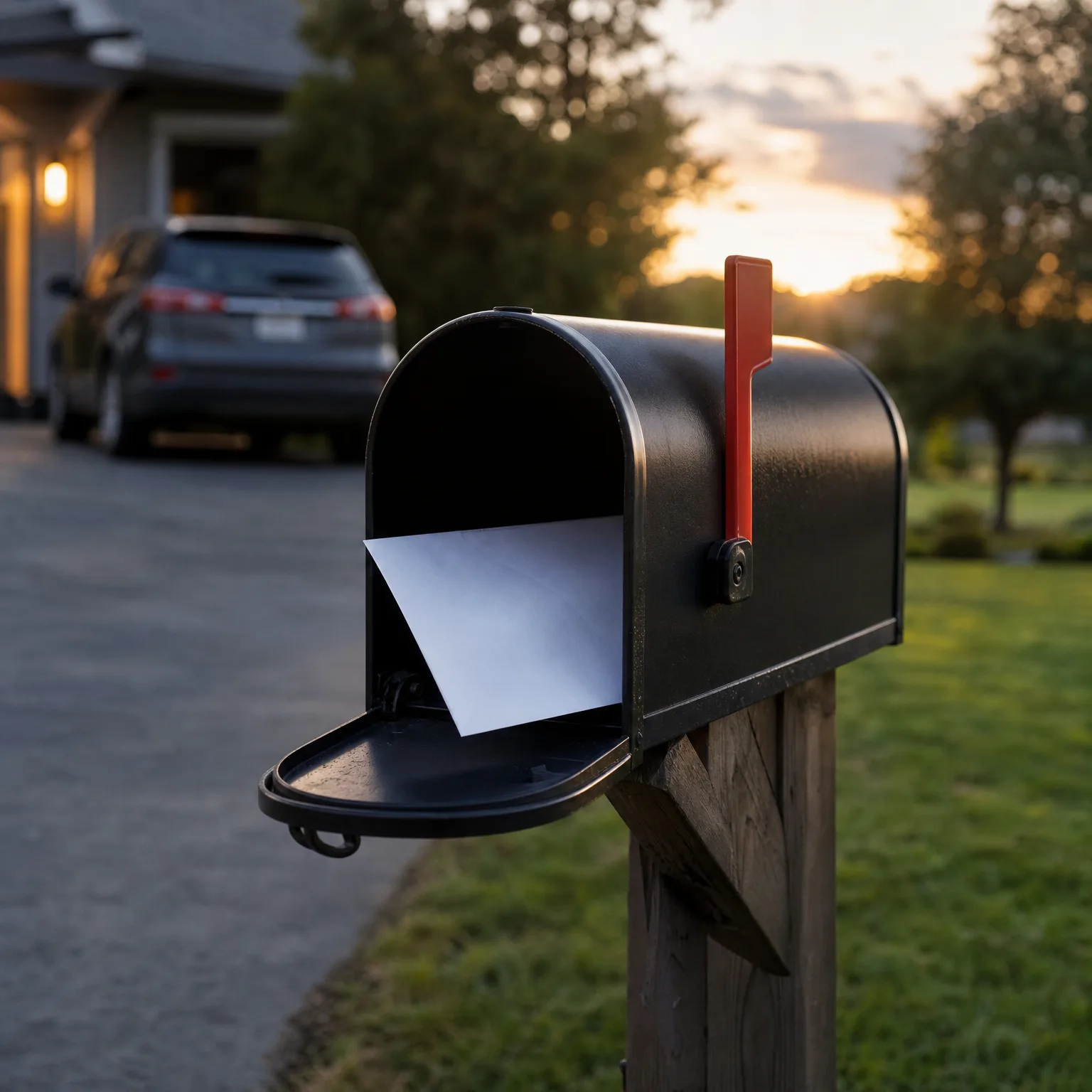
Non-owner SR-22 policies provide bodily injury and property damage liability coverage when you drive a vehicle you do not own. If you borrow a friend's car or rent a vehicle, your non-owner policy pays claims you cause up to the policy limits — 25/50/10 minimum in Washington, higher limits available. The vehicle owner's insurance is primary; your non-owner policy is excess coverage that applies after the owner's limits are exhausted.
The policy does not cover vehicles you own, vehicles registered to anyone in your household, or vehicles you use regularly without owning (employer vehicles driven daily, for example). It is liability-only — no collision, no comprehensive, no coverage for damage to the vehicle you are driving. The purpose is to satisfy Washington's financial responsibility requirement and provide third-party protection when you drive occasionally.
If you later purchase a vehicle during the three-year SR-22 period, you must convert your non-owner policy to a standard owner policy and notify the carrier immediately. Driving a vehicle you own on a non-owner policy voids coverage. The carrier will re-file your SR-22 under the new policy so the DOL's record remains continuous — any lapse triggers automatic suspension and restarts the three-year clock.
$75
Washington Reinstatement Fee
Washington charges a $75 administrative reinstatement fee to restore driving privileges after a suspension. This fee is separate from SR-22 filing fees, policy premiums, and any DUI-specific requirements such as ignition interlock device installation or alcohol education course completion.
Washington Department of Licensing fee schedule
Maintaining Continuous Coverage for Three Years
Washington's EIV system monitors your policy status continuously. When your carrier cancels your policy for non-payment or you allow it to lapse, the carrier notifies the DOL electronically within days. The DOL suspends your driving privileges immediately and restarts the three-year SR-22 requirement from zero — you do not pick up where you left off, you begin the entire three-year period again.
Set up automatic premium payments with your carrier to avoid accidental lapses. One missed payment triggers a cascade: policy cancellation notice, carrier notification to DOL, suspension letter from DOL, and requirement to purchase a new policy, refile SR-22, pay the $75 reinstatement fee again, and restart the three-year clock. The cost of missing a single payment far exceeds the premium.
Compare SR-22 Carriers Before You Purchase
Premiums for non-owner SR-22 policies vary significantly by carrier even when coverage limits are identical. Carriers price suspended-driver risk differently — one may categorize your suspension cause as higher risk, another may offer better rates for drivers with no prior insurance lapses. Request quotes from at least three carriers writing SR-22 business in Washington before committing.
When comparing quotes, confirm the carrier files SR-22 electronically with the Washington DOL and verify the policy start date. Your SR-22 three-year period begins the day the carrier files with DOL, not the day you sign the application. If you need coverage to start immediately, confirm same-day or next-business-day filing capability. Some carriers file within hours; others take three to five business days. Washington SR-22 coverage pages list carriers confirmed to write SR-22 policies for suspended drivers in this state and can expedite the comparison process when you need coverage quickly.
How to Get SR-22 with No Insurance History
Contact carriers that explicitly write SR-22 policies for suspended drivers. In Washington, Bristol West, Dairyland, Geico, National General, Progressive, State Farm, and The General all file SR-22 and write non-standard auto policies. If you do not own a vehicle, request a non-owner SR-22 policy specifically — this is liability-only coverage priced for drivers without a car. The carrier files your SR-22 electronically with the Washington DOL within one to three business days of policy issuance.
You will pay a one-time SR-22 filing fee set by the carrier (amounts vary but typically fall between $15 and $50) plus your policy premium. Non-owner policies cost significantly less than standard auto policies because they exclude collision and comprehensive coverage and are secondary to the vehicle owner's insurance when you drive a borrowed car. Once the carrier confirms your SR-22 filing is on record with DOL, you can begin the reinstatement process for your Washington license — the SR-22 filing is one of several reinstatement prerequisites, not the sole requirement.
Get Your Free Quote
Get My Washington SR-22 Auto Insurance QuoteFrequently Asked Questions
Can I file SR-22 in Washington without buying insurance?
No. SR-22 is a certification form your insurance carrier files with the Washington DOL proving you hold liability coverage meeting state minimums. You must purchase and maintain a liability policy for the carrier to file SR-22 on your behalf.
How much does non-owner SR-22 insurance cost in Washington?
Premiums vary by carrier, driving history, age, and county. Non-owner policies cost less than standard auto insurance because they provide liability-only coverage and exclude collision and comprehensive. Request quotes from multiple carriers to compare rates.
What happens if my SR-22 policy lapses in Washington?
When your policy lapses, your carrier notifies the Washington DOL electronically. DOL suspends your license immediately and restarts the three-year SR-22 requirement from zero. You must purchase a new policy, refile SR-22, and pay the $75 reinstatement fee again.
Do I need non-owner SR-22 if I don't have a car?
Yes, if the state requires SR-22 filing to reinstate your license. Non-owner SR-22 policies satisfy Washington's financial responsibility requirement without requiring vehicle ownership. The policy provides liability coverage when you drive borrowed or rented vehicles.
How long does it take to file SR-22 with the Washington DOL?
Most carriers file SR-22 electronically with the Washington DOL within one to three business days of issuing your policy. Some carriers offer same-day filing. Confirm filing timelines with your carrier before purchase if you need immediate proof for reinstatement.
Can I switch carriers during my three-year SR-22 period?
Yes, but you must maintain continuous coverage without any gap. Your new carrier must file SR-22 with the Washington DOL before your old policy expires. Even a one-day lapse triggers suspension and restarts the three-year clock.