
SR-22 Insurance Costs — Washington
Free to compare
Washington SR-22 Filing Cost vs Premium Increase
You received a suspension notice from Washington DOL. The letter says you need SR-22 insurance to reinstate, but it does not explain whether you're paying for a filing fee or a completely new insurance rate. The filing itself costs $25–$50 depending on carrier, paid once at issuance. The premium increase is the monthly cost — and that depends entirely on what triggered your suspension and whether you're in Washington's Ignition Interlock License (IIL) program.
Washington separates DOL-imposed administrative suspensions from court-ordered suspensions, and each track carries different insurance implications. If your suspension stems from a DUI and you're eligible for an IIL immediately, carriers price your policy differently than if you're serving a full suspension for unpaid fines or points accumulation. The cost variance is not minor — monthly premiums for IIL-enrolled drivers run $140–$280/month for minimum liability, while non-DUI suspensions requiring SR-22 typically cost $85–$160/month.
“Washington's IIL program lets you drive immediately, but carriers price that privilege at 15–30% above post-suspension reinstatement rates.”

Get Back on Washington Roads With the Right SR-22
Get My Washington SR-22 Auto Insurance Quote$25–$50
Washington SR-22 Filing Fee
The SR-22 certificate filing fee is a one-time charge paid to your insurer when they submit the form to Washington DOL. This is separate from your monthly premium and separate from Washington's $75 reinstatement fee.
Carrier filings and Washington DOL reinstatement fee schedule
Premium Increases by Suspension Trigger
Washington DOL requires SR-22 for DUI/physical control revocations, uninsured accidents, failure to satisfy judgments, and some habitual traffic offender (HTO) designations under RCW 46.65. Each trigger produces a different insurance cost profile. DUI revocations carry the highest premium increase because carriers treat alcohol-related violations as the strongest predictor of future claims. Uninsured accident suspensions rank second. Points-based suspensions typically do not require SR-22 in Washington unless paired with an uninsured incident.
Monthly premium estimates for Washington drivers requiring SR-22, by trigger: DUI with IIL enrollment runs $140–$280/month for state minimum 25/50/10 liability. Uninsured accident suspension runs $100–$180/month. Failure to satisfy judgment runs $90–$160/month. These figures assume a 35-year-old driver with no prior violations beyond the suspension trigger; younger drivers and those with prior incidents face steeper increases. Non-owner SR-22 policies for drivers without a vehicle cost $30–$60/month, well below standard coverage.
The data layer confirms Washington requires SR-22 for this license suspension trigger, with a typical 3-year filing period. Carriers writing SR-22 in Washington include Geico, Progressive, Dairyland, Bristol West, The General, National General, State Farm, and USAA. Not all carriers offer identical rates — non-standard specialists like Dairyland and Bristol West often undercut standard carriers for high-risk filings.
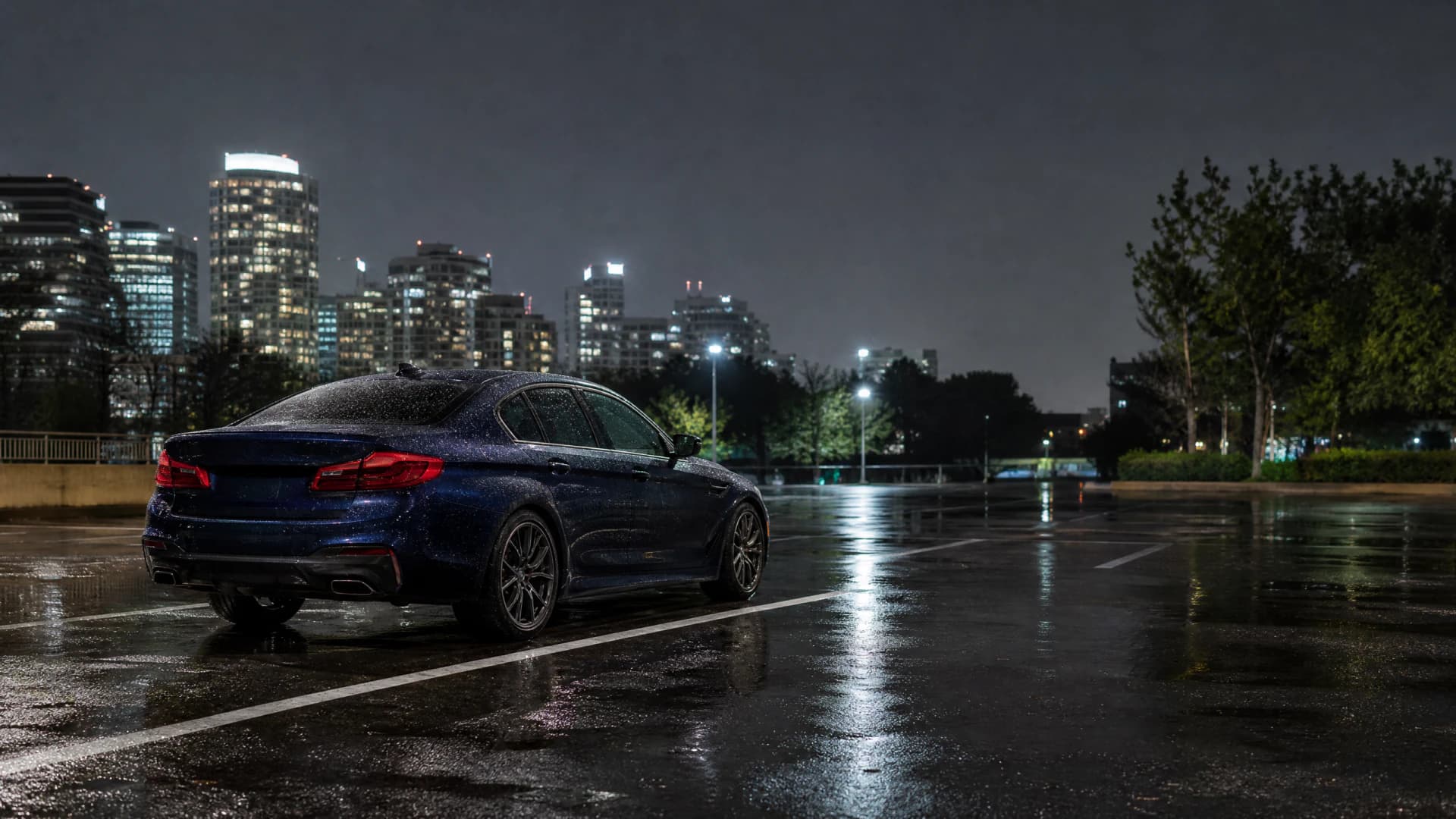
Washington's Ignition Interlock License system adds $75–$150/month in IID device lease costs on top of your SR-22 premium — carriers see IIL enrollment as active DUI management and price accordingly.




Non-Owner SR-22 Coverage in Washington
If you do not own a vehicle but Washington DOL requires SR-22 to reinstate your license, non-owner SR-22 policies satisfy the filing requirement at a fraction of standard policy costs. Non-owner coverage provides liability protection when you drive a borrowed or rental vehicle, but it does not cover a car you own or a car registered to someone in your household. Monthly premiums for non-owner SR-22 in Washington run $30–$60/month for state minimum 25/50/10 liability, compared to $140–$280/month for standard coverage with SR-22.
Non-owner policies are common among suspended drivers who sold their vehicle during the suspension period, drivers who rely on public transit and rideshare but need a valid license for employment, and drivers reinstating after moving to Washington from another state. Geico, Progressive, Dairyland, The General, and USAA all write non-owner SR-22 in Washington. Coverage is continuous as long as you pay the premium — the SR-22 filing remains active and Washington DOL receives electronic confirmation of coverage monthly.
Non-owner SR-22 converts to standard coverage if you later purchase a vehicle. You contact your carrier, add the vehicle to your policy, and the SR-22 filing continues uninterrupted. The premium increases to standard rates at that point, but the 3-year SR-22 clock does not reset. The filing period runs from your original conviction or suspension date, not from the date you switch policy types.
3 years
Washington SR-22 Filing Period
Washington DOL requires SR-22 insurance filing for 3 years following DUI conviction, uninsured accident suspension, or financial responsibility violation. The period is measured from the conviction or triggering event date, not from the filing date. Allowing the policy to lapse restarts the clock.
RCW 46.29 and Washington DOL SR-22 requirements

Avoiding Lapse and Reinstatement Loops
Washington uses an electronic insurance verification system operated by DOL. Insurers report policy issuance, cancellation, and lapse information electronically. If your SR-22 policy lapses for non-payment, Washington DOL receives notification within days and suspends your license or IIL immediately. The state does not codify a formal grace period — RCW 46.30 and DOL documentation confirm that lapse triggers automated suspension action once the carrier reports cancellation.
Reinstatement after an SR-22 lapse requires paying a new $75 reinstatement fee on top of the original fee you already paid, purchasing a new SR-22 policy, and in many cases restarting the 3-year filing clock from the date of the lapse. The cost of a single missed payment is not just one month's premium — it is the reinstatement fee, potential IIL revocation if you were enrolled, and possibly an additional 3 years of SR-22 requirement. Set up automatic payment with your carrier to eliminate lapse risk.
Compare Carriers and Secure Coverage
Carriers writing SR-22 in Washington price the same driver differently based on internal risk models and appetite for non-standard business. Geico and Progressive offer SR-22 through standard-tier underwriting and typically quote lower rates for drivers whose only violation is the suspension trigger. Dairyland, Bristol West, and The General specialize in high-risk drivers and often beat standard carriers for drivers with multiple violations or DUI plus prior incidents. State Farm writes SR-22 but does not specialize in non-standard auto, so rates vary widely depending on your overall profile.
Request quotes from at least three carriers before committing. Provide your suspension notice, your Washington driver's license number, and the specific trigger that caused your suspension — DUI, uninsured accident, points, or financial responsibility violation. Confirm that the policy includes SR-22 filing at no additional monthly cost beyond the one-time filing fee. Confirm the carrier will maintain the SR-22 for the full 3-year period and will notify you before any cancellation or lapse. Compare the monthly premium, the filing fee, and whether the carrier offers payment plans that reduce lapse risk. The lowest monthly rate is not always the best value if the carrier's lapse notification process is unreliable or if they do not offer automated payment options. Get coverage that you can afford to maintain without interruption for 36 months.
How Washington's IIL System Affects Insurance Pricing
Carriers treat IIL-enrolled drivers as higher-risk than drivers serving full suspensions who are not yet behind the wheel. The reasoning: active driving during a suspension period introduces claim exposure immediately, whereas a driver waiting out a suspension represents future risk only. Monthly premiums for IIL-enrolled drivers typically run 15–30 percent higher than for drivers purchasing SR-22 to satisfy reinstatement at the end of a full suspension. This pricing gap persists even though both groups carry SR-22 for the same 3-year filing period Washington DOL requires.
Washington DOL does not publish a universal hard suspension period for IIL eligibility — first-offense DUI administrative suspensions under RCW 46.20.3101 allow immediate IIL application in some cases, while refusal cases face longer waits. The variability affects when you start paying the combined IIL premium plus IID lease cost. Drivers who delay IIL application and serve the full suspension avoid the IID lease expense but remain off the road longer. Drivers who apply immediately pay more monthly but regain driving privileges faster. Neither path is universally cheaper — the cost depends on how many months you need to drive during the suspension window.
Get Your Free Quote
Get My Washington SR-22 Auto Insurance QuoteFrequently Asked Questions
How much does SR-22 insurance cost per month in Washington?
Monthly premiums for SR-22 insurance in Washington range from $85–$280/month depending on what triggered your suspension. DUI with Ignition Interlock License enrollment runs $140–$280/month for state minimum liability. Non-owner SR-22 policies cost $30–$60/month. The SR-22 filing fee itself is $25–$50 one-time.
Does Washington require SR-22 for all license suspensions?
No. Washington requires SR-22 for DUI/physical control revocations, uninsured accidents, failure to satisfy judgments, and some habitual traffic offender designations. Points-based suspensions, unpaid ticket suspensions, and failure-to-appear suspensions typically do not require SR-22 unless paired with an uninsured incident.
What happens if my SR-22 insurance lapses in Washington?
Washington DOL receives electronic notification of the lapse within days and suspends your license or IIL immediately. Reinstatement requires a new $75 fee, a new SR-22 policy, and in many cases restarts the 3-year filing period from the lapse date. Set up automatic payment to avoid this outcome.
Can I get SR-22 insurance in Washington without owning a car?
Yes. Non-owner SR-22 policies satisfy Washington's filing requirement if you do not own a vehicle. Monthly premiums run $30–$60/month for state minimum liability. Geico, Progressive, Dairyland, The General, and USAA all write non-owner SR-22 in Washington.
How long do I need SR-22 insurance in Washington?
Washington requires SR-22 for 3 years following DUI conviction, uninsured accident suspension, or financial responsibility violation. The period is measured from the conviction or triggering event date, not the filing date. Policy lapses restart the clock.
Does the Ignition Interlock License increase my SR-22 insurance cost?
Yes. Carriers treat IIL-enrolled drivers as higher-risk because you are driving during a suspension period rather than waiting out a full revocation. Monthly premiums for IIL drivers run 15–30% higher than for drivers purchasing SR-22 at the end of a suspension, and you pay an additional $75–$150/month for the IID device lease.