
DUI Insurance Rate Impact — Washington
Free to compare
What Happens to Your Insurance Rate After a Washington DUI
You were convicted of DUI in Washington yesterday and your carrier just sent a non-renewal notice effective in 30 days. Your premium quote from the one carrier willing to write your policy is double what you paid last month. The conviction triggered two separate insurance events: your current carrier classifying you as uninsurable under their underwriting guidelines, and the state's mandatory SR-22 filing requirement attaching to your license for the next three years.
Washington DUI convictions produce premium increases ranging from 50% to 100% on average, with some drivers seeing their monthly cost rise from $120 to $280 after moving from a preferred-tier carrier to a non-standard SR-22 writer. The rate increase reflects two factors: the DUI conviction itself, which moves you into high-risk underwriting tiers, and the SR-22 certificate filing requirement imposed by RCW 46.29.490, which limits your carrier options to those willing to file state-mandated proof of insurance on your behalf.
“Washington's electronic verification system suspends your license the moment your carrier files the SR-26 — there is no grace period to find replacement coverage.”

Get Back on Washington Roads With the Right SR-22
Get My Washington SR-22 Auto Insurance Quote3 years
Washington SR-22 Filing Period
RCW 46.29.490 requires SR-22 certificate maintenance for three years following a DUI conviction, measured from the date DOL processes your filing — not the conviction date. Any lapse in SR-22 coverage during this period triggers automatic license suspension under Washington's electronic insurance verification system.
RCW 46.29.490 (Financial Responsibility)
Why Your Current Carrier Drops You
Preferred-tier carriers like State Farm, USAA, and Amica operate under underwriting guidelines that classify DUI convictions as automatic disqualifiers for policy renewal. These carriers write coverage for drivers with clean or near-clean records; a DUI conviction moves you outside their risk appetite regardless of how long you have been a customer. Your non-renewal notice is not punitive — it reflects the underwriting box you no longer fit.
Standard-tier carriers like Geico, Progressive, and National General will write SR-22 policies for DUI-convicted drivers, but they price the risk differently. Your base liability premium increases to reflect the statistical claim probability associated with DUI convictions, and the SR-22 filing requirement itself adds an administrative fee ranging from $15 to $50 depending on carrier. The combined effect produces the 50–100% increase most Washington DUI drivers experience.
Non-standard carriers like Bristol West, Dairyland, and The General specialize in high-risk driver policies and accept DUI convictions as a routine underwriting scenario. These carriers typically offer the lowest premiums for SR-22-required drivers because their entire book of business consists of similar risk profiles, allowing them to spread actuarial risk across a larger pool. Shopping non-standard carriers first saves most drivers $40–$80/month compared to standard-tier SR-22 quotes.
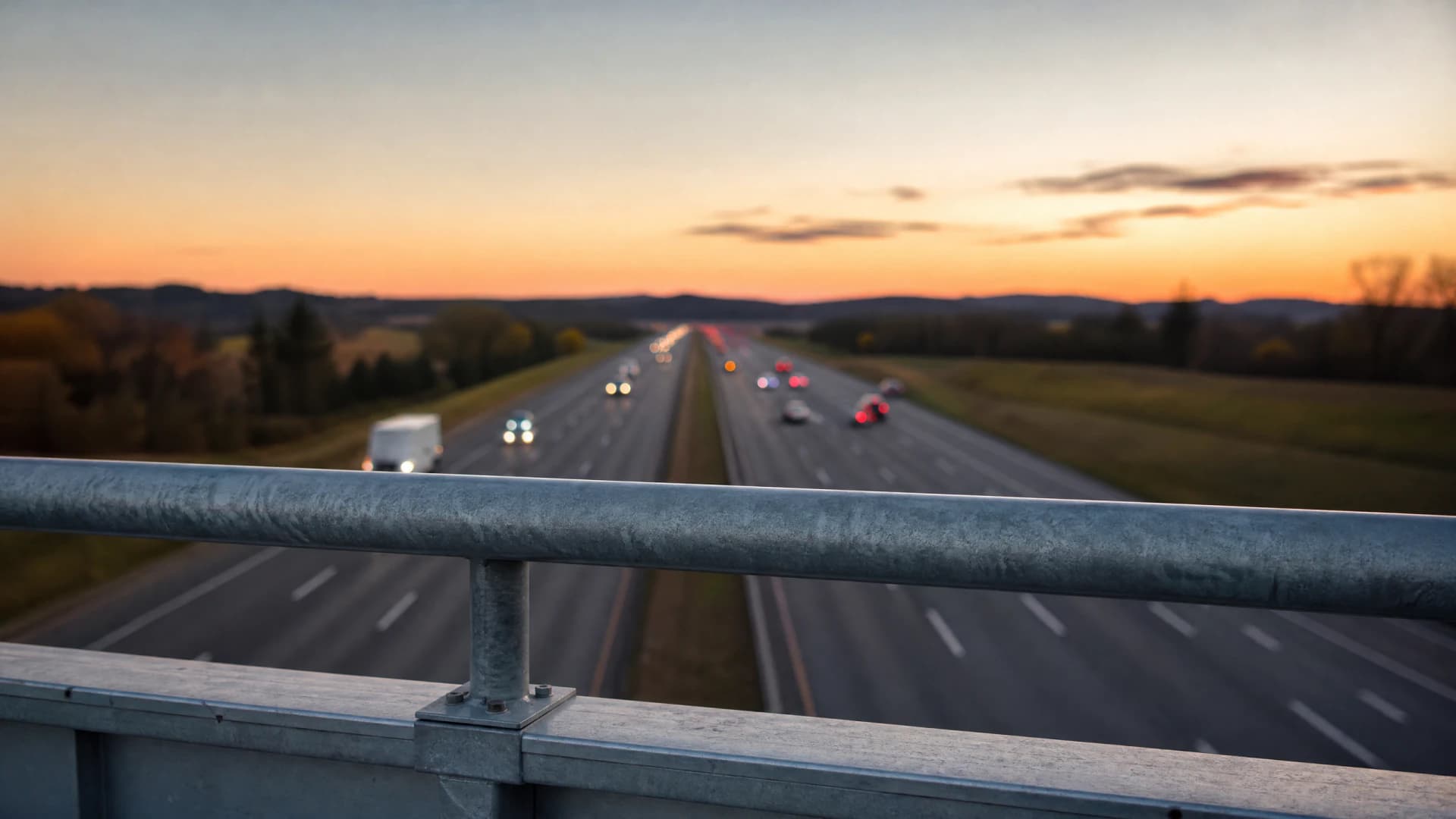
Washington's electronic insurance verification system reports SR-22 lapses to DOL within 24 hours — your Ignition Interlock License is suspended before most drivers realize their coverage dropped.


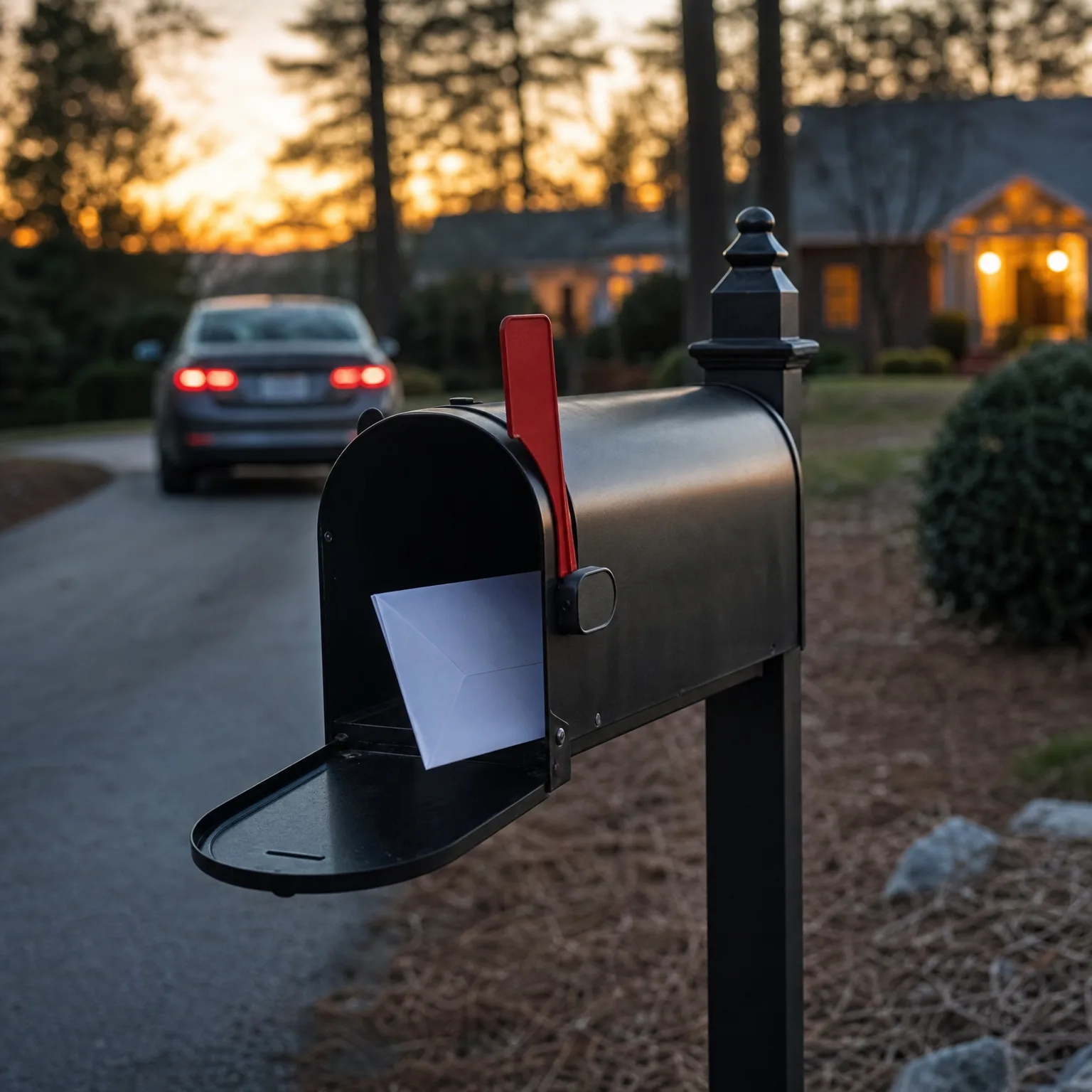



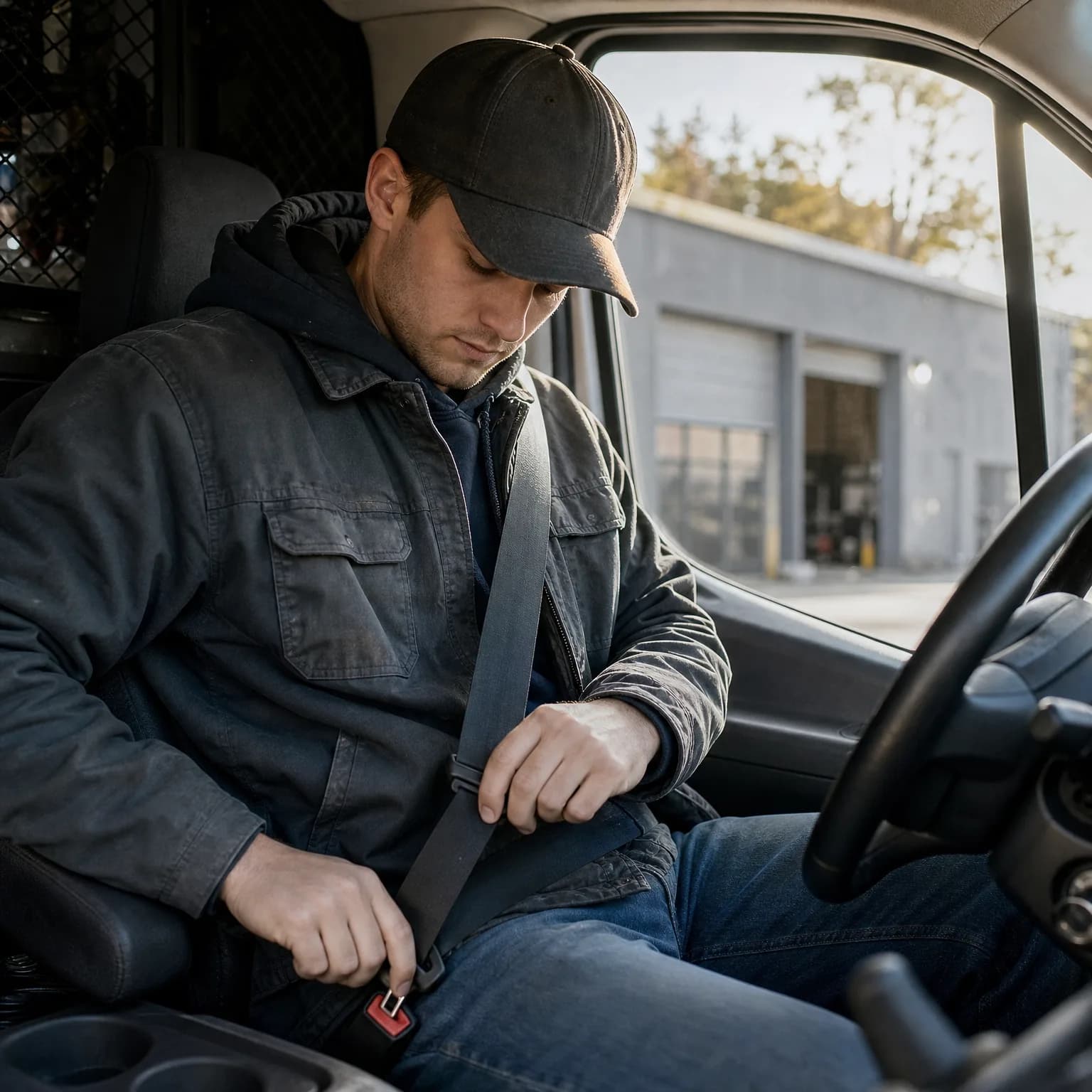
Drivers Without a Vehicle Face a Specific Problem
Washington DUI convictions trigger SR-22 filing requirements even if you do not currently own a vehicle. DOL does not waive the SR-22 obligation based on vehicle ownership status — the filing requirement attaches to your license, not your car. Drivers without a vehicle must obtain a non-owner SR-22 policy, which provides liability coverage when you drive a vehicle you do not own.
Non-owner SR-22 policies cost $25–$50/month on average in Washington and satisfy DOL's filing requirement without requiring you to insure a specific vehicle. Geico, Progressive, Dairyland, The General, and USAA all write non-owner SR-22 policies for Washington drivers. The policy covers you when driving a borrowed car, a rental, or any vehicle not registered in your name, and the carrier files the required SR-22 certificate with DOL just as they would for a standard auto policy.
Drivers who regain vehicle ownership during the 3-year SR-22 period must switch from a non-owner policy to a standard SR-22 auto policy covering the newly acquired vehicle. The SR-22 filing transfers to the new policy without restarting the 3-year clock, provided the coverage transition happens without a lapse. Allowing the non-owner policy to cancel before the standard policy activates produces an SR-26 filing and immediate suspension.
$280–$420/mo
Typical Washington DUI Premium Range
Estimates based on available industry data for Washington drivers age 25–55 with a single DUI conviction and state minimum liability plus SR-22 filing. Actual quotes vary by age, county, vehicle, and prior insurance history. Non-standard carriers typically quote $60–$100/month below standard-tier SR-22 rates.
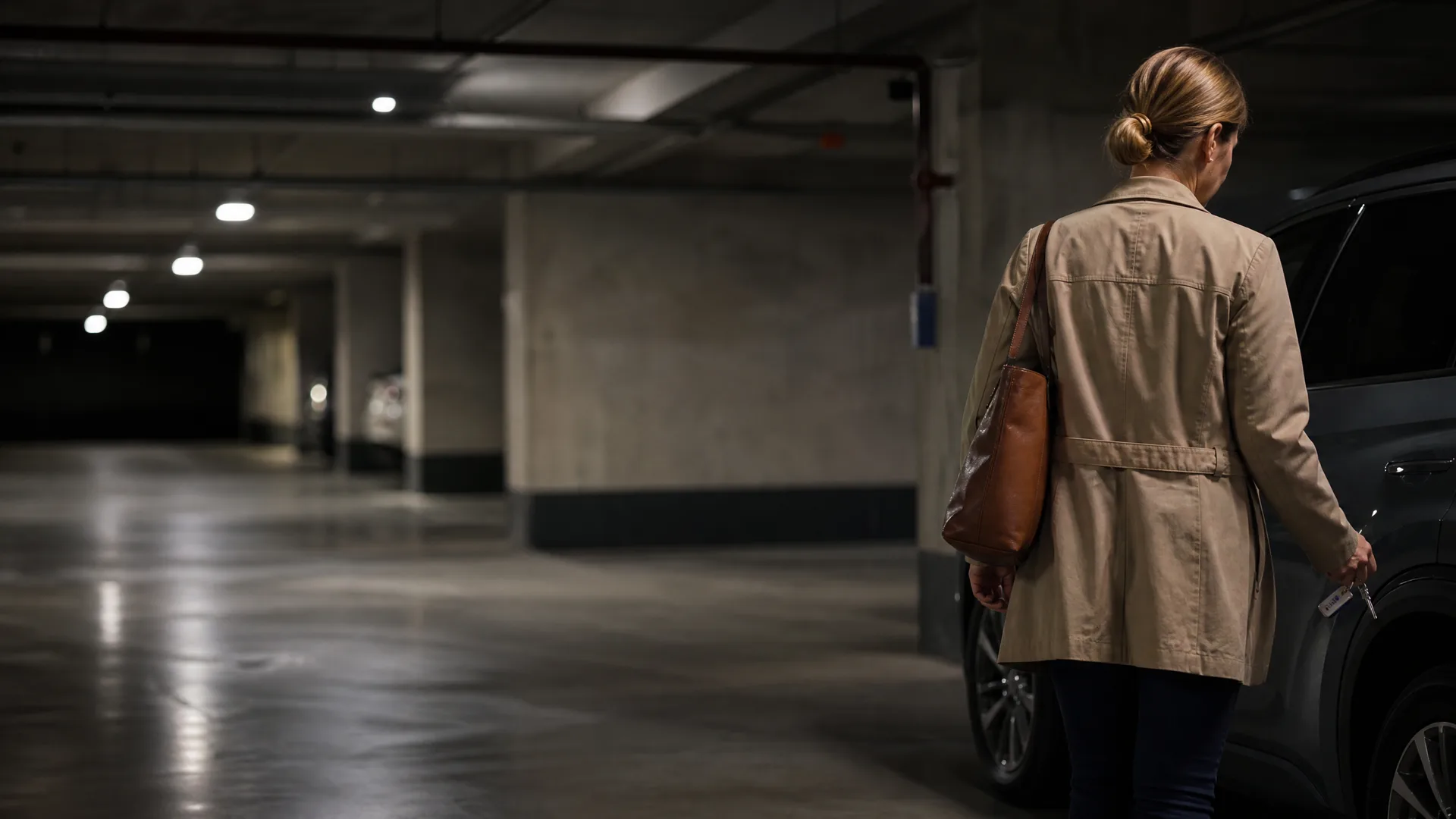
The Ignition Interlock License Adds Another Layer
Washington replaced traditional occupational licenses with the Ignition Interlock License system under RCW 46.20.385. Most DUI-suspended drivers can apply for an IIL immediately after conviction by installing a DOL-approved ignition interlock device, paying the $100 application fee, and filing SR-22 insurance. The IIL allows unrestricted driving — any destination, any time — provided you only operate a vehicle equipped with the IID.
The SR-22 filing requirement runs concurrently with your IIL period, not separately. If your SR-22 lapses while your IIL is active, DOL suspends both your IIL and your underlying driving privilege. Reinstatement requires filing a new SR-22, paying the $75 reinstatement fee, and in some cases reapplying for the IIL with a new $100 application fee. Drivers who violate IIL terms by operating a non-IID vehicle face mandatory hard suspension periods before IIL re-eligibility, and the 3-year SR-22 clock may restart from the violation date depending on the severity.
Compare Carriers Before Your Current Policy Ends
Request SR-22 quotes from at least three carriers as soon as you receive your DUI conviction notice. Non-standard carriers like Bristol West, Dairyland, and The General specialize in post-DUI coverage and typically offer premiums $60–$100/month below what standard-tier carriers quote for the same liability limits. Shopping early gives you time to compare rates, confirm the carrier files SR-22 electronically with Washington DOL, and activate your new policy before your current carrier's non-renewal date.
Compare SR-22 carriers writing in Washington and confirm each carrier's SR-22 filing process before binding coverage. Verify that the policy activation date precedes your current policy's cancellation date by at least two business days to account for DOL's electronic filing processing window. Any gap between policies produces an SR-26 filing, immediate suspension, and reinstatement fees that cost more than the premium difference you were trying to save by delaying.
How the SR-22 Filing Requirement Works
Your carrier files the SR-22 certificate with DOL as part of your policy activation. The filing remains active as long as your policy stays in force and you pay premiums on time. If you cancel your policy, miss a payment, or your carrier non-renews you for any reason, the carrier is required by RCW 46.29.490 to file an SR-26 cancellation notice with DOL within 24 hours. DOL's electronic insurance verification system processes the SR-26 immediately and suspends your driving privileges without a grace period.
This mechanism catches drivers who believe they have a few days to find replacement coverage after missing a payment. Washington does not operate a lapse grace period for SR-22 filers — the suspension is automatic the moment DOL receives the SR-26. Reinstatement after an SR-22 lapse requires paying a $75 administrative fee, filing a new SR-22 certificate with a replacement carrier, and in many cases restarting the 3-year SR-22 clock from the new filing date rather than the original conviction date.
Get Your Free Quote
Get My Washington SR-22 Auto Insurance QuoteFrequently Asked Questions
Does SR-22 filing make my insurance more expensive in Washington?
The SR-22 certificate itself adds $15–$50 in administrative fees annually, but the DUI conviction that triggered the SR-22 requirement is what produces the 50–100% premium increase. Carriers price DUI-convicted drivers in high-risk underwriting tiers regardless of whether SR-22 filing is required.
Can I get SR-22 insurance without owning a car in Washington?
Yes. Non-owner SR-22 policies provide liability coverage when you drive vehicles you do not own and satisfy Washington's SR-22 filing requirement. Non-owner policies cost $25–$50/month on average and are available from Geico, Progressive, Dairyland, The General, and USAA.
What happens if I miss a payment on my SR-22 policy?
Your carrier files an SR-26 cancellation notice with DOL within 24 hours, and DOL suspends your driving privileges immediately. Washington does not operate a grace period for SR-22 lapses. Reinstatement requires a new SR-22 filing, a $75 fee, and potentially restarting your 3-year SR-22 clock.
How long do I need SR-22 insurance after a DUI in Washington?
Three years from the date DOL processes your SR-22 filing, per RCW 46.29.490. Any lapse during this period restarts the clock from the date you file a new SR-22 certificate.
Will switching carriers during my SR-22 period restart the 3-year clock?
No, provided the new policy activates before the old policy cancels. Your new carrier files an SR-22 with DOL, and the 3-year period continues from your original filing date. Any gap between policies produces a lapse and restarts the clock.