Cheapest SR-22 Insurance — Everett, WA
Free to compare
SR-22 Quotes in Everett Vary $70/Month by Carrier Tier
You received notice that Washington Department of Licensing suspended your driving privileges. To reinstate, DOL requires continuous SR-22 insurance filing for three years. You called the carrier that insured you before the suspension and the quote came back $240/month — double what you paid last year. The agent said your violation moved you into a different risk tier.
Everett suspended drivers routinely pay $60–$90 more per month than necessary because they quote standard-tier carriers (State Farm, Allstate, Farmers) who either decline SR-22 cases outright or price them into Washington's assigned-risk pool. Non-standard carriers (Dairyland, Bristol West, The General) specialize in post-suspension filings and write the same $25,000/$50,000/$10,000 liability coverage with identical SR-22 certificate 30–50% cheaper. The tier you quote determines the rate far more than the violation itself.
“Non-standard carriers write the same SR-22 filing 30–50% cheaper than standard-tier assigned-risk pools because post-violation drivers are their core book, not their exception.”

Get Back on Washington Roads With the Right SR-22
Get My Washington SR-22 Auto Insurance Quote$110–$180/mo
Everett SR-22 Premium Range
Non-standard carriers writing DUI, uninsured, and lapse suspensions in Snohomish County typically quote $110–$150/month for minimum Washington liability plus SR-22 filing. Standard-tier carriers quote the same coverage at $160–$220/month when they accept the risk at all. Estimates based on available industry data; individual rates vary by driving history and coverage selections.
Why Standard-Tier Carriers Reject or Overprice SR-22 Filings
Washington requires SR-22 insurance for DUI convictions, uninsured-accident involvement under RCW 46.29, refusal or failure of implied-consent testing under RCW 46.20.308, and certain habitual-traffic-offender (HTO) reinstatements under RCW 46.65. The SR-22 certificate itself costs nothing — it is an electronic filing your carrier submits to DOL confirming you carry at least $25,000/$50,000/$10,000 liability coverage. The premium difference comes from how carriers classify your violation.
Standard-tier carriers (State Farm, Geico, Progressive's standard book, Allstate) underwrite to preferred and standard risk profiles. A DUI conviction or uninsured suspension moves you outside those profiles. Most standard carriers either decline to quote SR-22 cases entirely or route them to Washington's assigned-risk plan, where premiums reflect pooled high-risk pricing statewide. Assigned-risk quotes in Snohomish County run $180–$240/month for minimum liability.
Non-standard carriers underwrite specifically to post-violation drivers. Dairyland, Bristol West, National General, and The General build their books around DUI, suspended-license, and lapse triggers. Because these carriers expect SR-22 filings as the norm rather than the exception, they price the risk more granularly. An Everett driver with a single DUI and no prior violations quotes $110–$140/month with a non-standard carrier versus $180–$220 with a standard carrier's assigned-risk referral.

Standard-tier carriers do not compete for SR-22 business — they either decline the application or price you into assigned risk at near-double non-standard rates.


How Ignition Interlock License Affects Insurance Cost
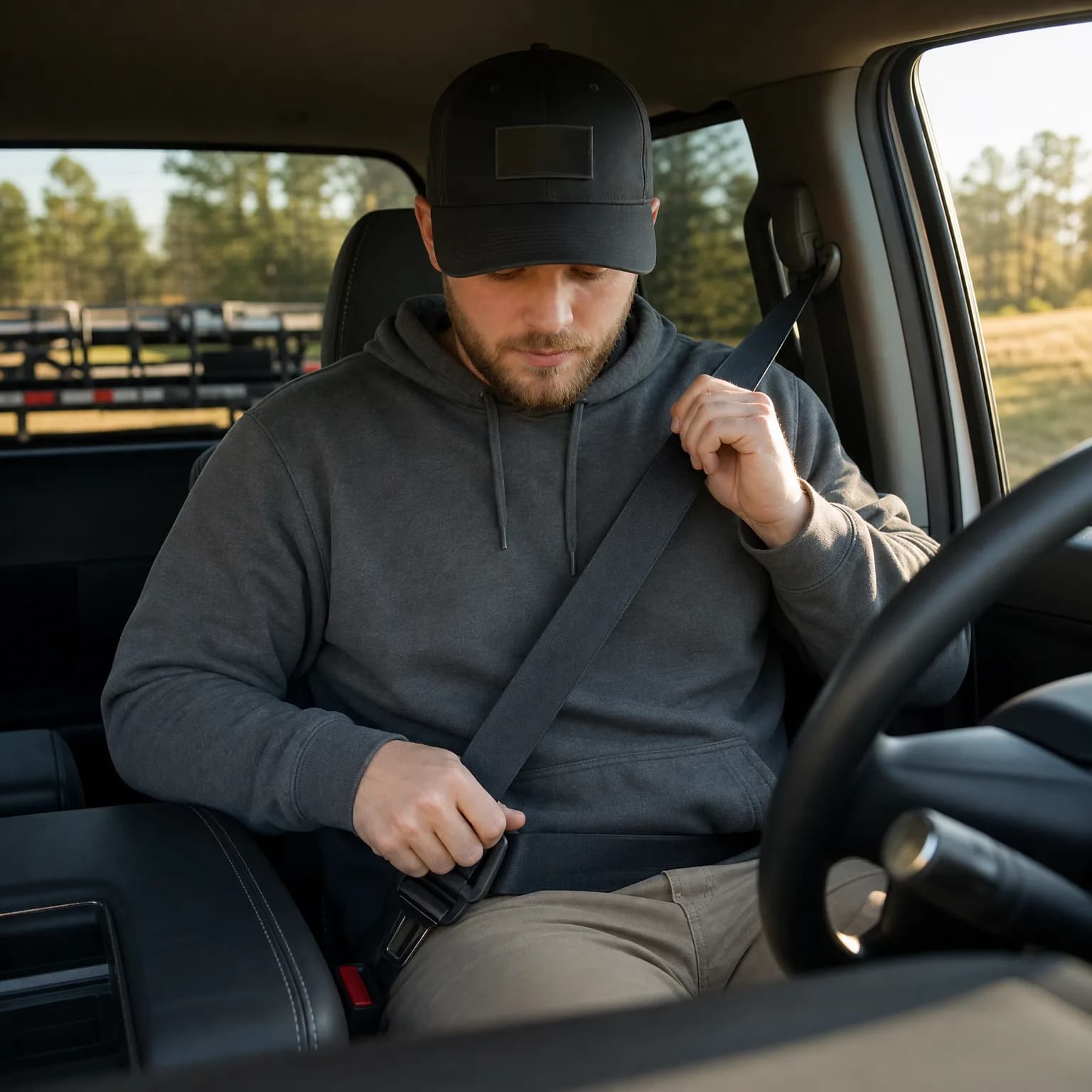
Washington offers an Ignition Interlock License (IIL) under RCW 46.20.385 for DUI-related suspensions. The IIL allows unrestricted driving at any time to any destination, provided you drive only vehicles equipped with a DOL-approved ignition interlock device (IID). To apply, you submit proof of IID installation from a DOL-approved provider, pay a $100 application fee, and maintain SR-22 insurance filing throughout the IIL period.
Carriers treat IIL-equipped drivers identically to fully suspended drivers for SR-22 underwriting — the IIL does not reduce premiums because the underlying DUI violation remains on your record. The financial advantage of an IIL is immediate mobility, not cheaper insurance. You still need SR-22 coverage meeting Washington's $25,000/$50,000/$10,000 minimums, and you still quote non-standard carriers to avoid assigned-risk pricing.
IID installation and monthly calibration fees (separate from insurance) run $70–$120/month through DOL-approved vendors in Snohomish County. Combined with SR-22 insurance at $110–$150/month, total monthly cost to drive legally on an IIL runs $180–$270. Suspended drivers without an IIL who choose to wait out the full suspension period avoid IID costs but cannot drive legally for the suspension duration — typically 90 days to one year for first-offense DUI administrative suspensions under RCW 46.20.3101, or longer for refusal cases and repeat offenses.
3 years
Washington SR-22 Filing Period
DOL requires continuous SR-22 insurance filing for three years following DUI convictions, uninsured-accident suspensions, and implied-consent violations. The three-year period begins when your carrier files the SR-22 certificate, not when the suspension began. If your policy lapses or cancels during the three years, your carrier notifies DOL electronically and your license suspends again immediately until you refile.
RCW 46.29.090, Washington Department of Licensing

Comparing Everett Non-Standard Carriers by Monthly Premium
Dairyland typically quotes $110–$135/month for Everett drivers with a single DUI and clean prior history, covering Washington minimum liability plus SR-22 filing. Bristol West quotes similar triggers at $115–$145/month. The General quotes $120–$155/month for the same profile. National General (now under Allstate ownership but operating as a separate non-standard book) quotes $125–$160/month. These ranges reflect minimum $25,000/$50,000/$10,000 liability only — adding collision or comprehensive coverage to a financed vehicle raises premiums $40–$80/month depending on vehicle value and deductible.
Geico and Progressive quote post-DUI SR-22 cases selectively. When they accept the risk in their standard book, premiums run $140–$180/month in Everett. When they decline or route to assigned risk, the quote jumps to $180–$220/month. Quoting both standard and non-standard carriers simultaneously shows the spread clearly — non-standard specialists consistently underprice standard-tier SR-22 acceptance by $30–$70/month for identical coverage.
Get Multiple SR-22 Quotes Before You Commit
DOL does not care which carrier files your SR-22 certificate as long as the filing remains continuous for three years and meets Washington's liability minimums. Suspended drivers leave $900–$2,500 on the table over the three-year filing period by accepting the first quote without comparing non-standard specialists. Quote at minimum three carriers: one standard-tier (Geico or Progressive), one established non-standard (Dairyland or Bristol West), and one high-risk specialist (The General). The lowest quote typically comes from the non-standard tier.
Washington SR-22 insurance rules allow you to switch carriers mid-filing period without restarting the three-year clock, provided there is no lapse in coverage. If you find a cheaper SR-22 policy six months into your filing period, the new carrier files an SR-22 certificate with DOL on your start date and you continue the remainder of the three years at the lower rate. Comparison-shop annually — non-standard carrier appetite shifts and a carrier pricing you high this year may quote you $40/month lower next year as the violation ages.
Which Everett Carriers Write Your Suspension Trigger
Dairyland, Bristol West, and The General write DUI, uninsured-accident, and lapse suspensions across Washington and provide online quotes with SR-22 filing included. Geico and Progressive write SR-22 for some triggers but route higher-risk cases (multiple DUIs, HTO designations, recent at-fault accidents combined with suspension) to their non-standard affiliates or decline entirely. State Farm writes SR-22 filings in Washington but typically declines DUI cases within the first year post-conviction. USAA writes SR-22 for eligible members (military affiliation required) including non-owner policies, but DUI cases face stricter underwriting.
Non-owner SR-22 policies cover suspended drivers who do not own a vehicle but need continuous liability filing to satisfy DOL reinstatement conditions. Dairyland, Geico, Progressive, The General, and USAA all write non-owner SR-22 in Washington. Non-owner premiums run $30–$50/month in Everett — substantially cheaper than standard owner policies because the carrier assumes lower exposure when you are not the registered vehicle owner. If you sold your car after suspension or rely on household vehicles titled to someone else, non-owner SR-22 satisfies the three-year filing requirement at one-third the monthly cost.
Get Your Free Quote
Get My Washington SR-22 Auto Insurance QuoteFrequently Asked Questions
Do I need SR-22 insurance while my Washington license is suspended?
Yes, if your suspension resulted from DUI, uninsured driving, or implied-consent violations. Washington DOL requires continuous SR-22 filing throughout the suspension and for three years total, measured from your SR-22 filing date. If you let coverage lapse, DOL extends the suspension until you refile and the three-year clock restarts.
How much does SR-22 insurance cost in Everett after a DUI?
Non-standard carriers quote $110–$150/month for minimum Washington liability plus SR-22 filing in Everett. Standard-tier carriers either decline DUI cases or quote $160–$220/month through assigned-risk pools. The carrier tier you quote determines cost more than the violation itself.
Can I get non-owner SR-22 insurance if I sold my car after suspension?
Yes. Dairyland, Geico, Progressive, The General, and USAA all write non-owner SR-22 policies in Washington. Non-owner coverage provides liability insurance without insuring a specific vehicle and satisfies DOL's three-year SR-22 requirement. Everett non-owner SR-22 premiums run $30–$50/month, substantially cheaper than standard owner policies.
Does an Ignition Interlock License lower my SR-22 insurance rate?
No. Carriers treat IIL holders the same as fully suspended drivers for SR-22 underwriting because the underlying DUI remains on your record. The IIL provides immediate driving privileges through DOL-approved ignition interlock device installation, but it does not reduce insurance premiums.
Can I switch SR-22 carriers mid-filing period without restarting the three-year requirement?
Yes, provided there is no lapse in coverage. Your new carrier files an SR-22 certificate with DOL reflecting your original start date, and you continue the remainder of the three years at the new rate. Washington allows switching carriers to capture lower premiums as long as filing remains continuous.
Which Everett carriers accept DUI suspensions for SR-22 filing?
Dairyland, Bristol West, National General, and The General specialize in DUI SR-22 cases and provide online quotes. Geico and Progressive write some DUI cases but route higher-risk profiles to non-standard affiliates or decline. State Farm typically declines DUI cases within the first year post-conviction.
How long does Washington require SR-22 filing after a DUI?
Three years from the date your carrier files the SR-22 certificate with DOL. The period does not begin when your suspension started — it begins when you obtain qualifying insurance and the carrier submits the electronic filing. If your policy lapses, the three-year period restarts when you refile.