
SR-22 Insurance for Uber Drivers — Washington
Free to compare
The Structural Reality Rideshare Drivers Face
You received your Ignition Interlock License after a DUI suspension, installed the required ignition interlock device, filed your SR-22, and now you're trying to figure out whether you can drive for Uber or Lyft to make up lost income. The Washington Department of Licensing says your IIL allows you to drive anywhere, anytime, as long as the vehicle has an approved IID installed. But when you check Uber's driver requirements, you see language about clean driving records and background checks that suggest a DUI suspension disqualifies you automatically.
Here's the structural conflict: Washington law permits IIL holders to operate rideshare vehicles with an IID installed. The state treats rideshare driving as legal employment under an IIL. But rideshare platforms run their own background checks and enforce their own driver standards, which typically exclude drivers with DUI convictions within the past seven years, active license suspensions, or SR-22 filings on record. The DOL says you're eligible. The platform says you're not. Both are enforcing their own rules correctly.
“Washington permits IIL holders to drive rideshare legally, but platforms reject drivers with active SR-22 filings regardless of state approval.”

Get Back on Washington Roads With the Right SR-22
Get My Washington SR-22 Auto Insurance Quote3 years
Washington SR-22 Filing Period
Washington requires SR-22 insurance filing for three years following a DUI conviction, measured from the conviction date. This three-year window appears on your driving record and is visible to rideshare platform background checks even after your full driving privileges are reinstated.
Washington Department of Licensing, RCW 46.29
What the IIL Actually Allows
The Ignition Interlock License under RCW 46.20.385 allows unrestricted driving: no route limitations, no time-of-day restrictions, no employer certification required. If you have an approved ignition interlock device installed in your vehicle, you can drive to work, school, medical appointments, or any other destination. Washington explicitly permits IIL holders to drive commercially, including for rideshare platforms, delivery services, and other gig-economy work.
The catch is vehicle ownership and IID installation. The IID must be installed in the specific vehicle you drive. If you use your personal vehicle for rideshare work, that vehicle must have the IID installed and you must drive only that vehicle. If you attempt to drive a rental car, a friend's car, or a fleet vehicle without an approved IID, you violate your license restriction and trigger automatic revocation. Rideshare platforms that provide fleet vehicles to drivers do not install IIDs in those vehicles, which makes platform-owned cars unusable under an IIL.
Washington does not prohibit IIL holders from rideshare work at the state regulatory level. The Department of Licensing treats rideshare employment the same as any other driving: legal as long as the vehicle has an IID. The blocker is not state law. The blocker is the platform's internal driver eligibility standards.
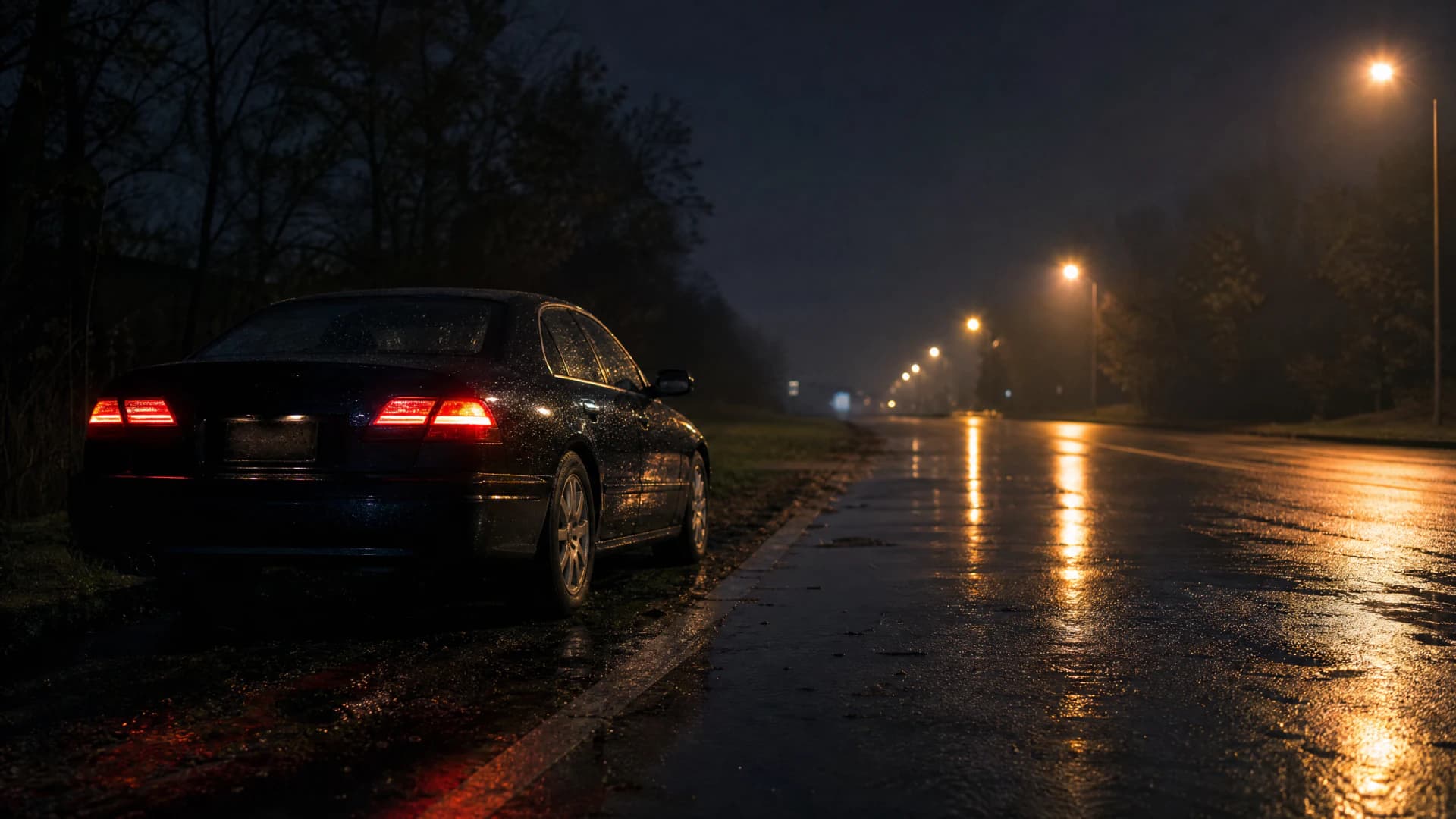
Rideshare platforms reject drivers with active SR-22 filings or DUI convictions within the past 7 years, even when the state has issued an IIL and the driver is legally cleared to drive.


The Workaround Path for Gig Work
If rideshare platforms are closed to you, delivery platforms that do not carry passengers enforce looser background check standards. DoorDash, Instacart, and Amazon Flex typically allow drivers with DUI convictions as long as the conviction is more than three years old and no active suspension exists. An IIL counts as an active license for these platforms' purposes. You are not suspended; you hold a valid restricted license that permits commercial driving.
The vehicle requirement still applies. Your delivery vehicle must have the approved IID installed. You cannot use a fleet vehicle, a rental, or another driver's car. Most delivery platforms allow you to use your personal vehicle, which makes IID compliance straightforward as long as you own or lease a car and have installed the required device. Platform onboarding does not verify IID installation directly, but if you drive without an IID in the vehicle, you violate your license restriction and face automatic IIL revocation if stopped by law enforcement.
Some drivers wait out the seven-year DUI lookback window before applying to rideshare platforms. That path is longer but removes the background check blocker entirely. If your DUI conviction occurred more than seven years ago and you have completed your SR-22 filing period, both Uber and Lyft will clear your background check as long as no other disqualifying violations appear on your record. The three-year SR-22 period and the seven-year platform lookback window are separate timelines; the SR-22 requirement ends first, but the platform disqualification lasts longer.
$100
Washington IIL Application Fee
The Ignition Interlock License application fee is $100, paid to the Washington Department of Licensing at the time you submit your application. This fee is separate from the IID installation cost, the SR-22 filing fee, and the eventual reinstatement fee when you restore full driving privileges.
Washington Department of Licensing fee schedule
SR-22 Filing and Insurance Cost
The SR-22 filing itself costs $25–$50 as a one-time fee charged by your insurance carrier. That fee covers the carrier's cost of electronically filing the SR-22 certificate with the Washington Department of Licensing. The filing fee is not the expensive part. The expensive part is the premium increase that follows.
Washington drivers with a DUI conviction and an SR-22 requirement typically pay $220–$380 per month for liability-only coverage after the conviction. That figure reflects the higher risk tier most carriers assign to DUI offenders. If you need full coverage because you lease or finance your vehicle, expect $340–$520 per month. Not every carrier writes SR-22 policies. Carriers that specialize in SR-22 insurance include Geico, Progressive, Dairyland, Bristol West, and The General in Washington. State Farm also writes SR-22 policies but prices them higher than non-standard carriers for DUI offenders.
What to Do Right Now
If you're trying to get back to gig work while under an IIL, start with delivery platforms that accept drivers with recent DUI convictions. Verify your vehicle has the approved IID installed and that your SR-22 filing is active with the DOL before applying. If you're still waiting on your IIL approval, focus on completing the required documentation: proof of IID installation from a DOL-approved provider, SR-22 certificate from your carrier, and payment of the $100 application fee. The IIL allows you to drive commercially; the platform background check is the remaining obstacle. Compare SR-22 carriers now to lock in the lowest monthly rate you can find while the three-year filing period runs.
Platform Background Checks vs State Licensing
Uber's current driver requirements disqualify applicants with a DUI or reckless driving conviction within the past seven years. Lyft enforces a similar seven-year lookback window for major moving violations. Both platforms treat an active SR-22 filing as a disqualifying factor, regardless of whether your license has been reinstated or you hold a valid IIL. The background check system flags the SR-22 filing automatically and generates a rejection notice before a human reviewer ever sees your application.
The platform is not checking whether you are legally allowed to drive under state law. It is enforcing its own risk management standard. Even if you complete your three-year SR-22 filing period, reinstated your full license, and no longer carry any restrictions, the DUI conviction itself remains on your driving record for seven years from the conviction date. That conviction, not the SR-22 filing, is what triggers the platform's disqualification rule. The SR-22 simply makes the conviction more visible to automated background check systems.
Get Your Free Quote
Get My Washington SR-22 Auto Insurance QuoteFrequently Asked Questions
Can I drive for Uber with an Ignition Interlock License in Washington?
Washington law permits IIL holders to drive commercially, including rideshare, as long as the vehicle has an approved ignition interlock device installed. However, Uber's background check disqualifies drivers with DUI convictions within the past seven years or active SR-22 filings, regardless of license type. The state allows it; the platform does not.
Does the SR-22 filing show up on rideshare background checks?
Yes. Rideshare platforms pull your full driving record from the Washington Department of Licensing, which includes your SR-22 filing requirement, DUI conviction, and current license status. The SR-22 filing flags your application automatically in most platform background check systems.
What delivery platforms accept drivers with a DUI conviction in Washington?
DoorDash, Instacart, and Amazon Flex typically allow drivers with DUI convictions as long as the conviction is more than three years old and no active suspension exists. An Ignition Interlock License counts as a valid license for these platforms. Your vehicle must have the approved IID installed.
How long does the SR-22 requirement last after a DUI in Washington?
Washington requires SR-22 insurance filing for three years following a DUI conviction, measured from the conviction date. The filing period runs concurrently with your license suspension and IIL period. After three years, your carrier cancels the SR-22 and you return to standard insurance rates.
Can I use a rental car for gig work under an IIL?
No. The Ignition Interlock License requires an approved IID installed in the specific vehicle you drive. Rental cars, fleet vehicles, and other drivers' cars do not have IIDs installed. Driving any vehicle without an IID while under an IIL violates your license restriction and triggers automatic revocation.
How much does SR-22 insurance cost in Washington after a DUI?
Washington drivers with a DUI conviction and SR-22 requirement typically pay $220–$380 per month for liability-only coverage. Full coverage costs $340–$520 per month. Rates vary by carrier, age, county, and driving history. Non-standard carriers like Geico, Progressive, and Dairyland offer the lowest rates for SR-22 filers.