
SR-22 Insurance for High-Risk Drivers — Washington
Free to compare
When Standard Carriers Won't Quote After Suspension
You received a DUI suspension notice from Washington DOL, searched for SR-22 insurance quotes online, and hit carrier after carrier declining to offer coverage. State Farm, Allstate, Farmers — all the recognizable names either will not write a new policy for suspended drivers or require you to be an existing customer before they will file SR-22. Your suspension clock is running and you need coverage before you can apply for Washington's Ignition Interlock License.
Washington's high-risk insurance market operates differently than the standard market. After a DUI suspension, most drivers move from preferred or standard carriers into the non-standard tier — a smaller group of carriers that specialize in writing policies for drivers with violations, suspensions, and SR-22 filing requirements. This is not a penalty market. It is a specialized underwriting tier that writes risk standard carriers decline, and the carrier list is shorter than you expect.
“A carrier writing SR-22 filings does not automatically accept ignition interlock devices on insured vehicles — confirm IID compatibility before installation.”
Get Back on Washington Roads With the Right SR-22
Get My Washington SR-22 Auto Insurance Quote$100
Washington IIL Application Fee
Before you can drive legally during suspension, Washington requires a $100 Ignition Interlock License application fee on top of the SR-22 filing and ignition interlock device installation costs. This is the DOL administrative fee, separate from reinstatement costs.
Washington Department of Licensing, RCW 46.20.385
Washington Eliminated Traditional Hardship Licenses
Washington replaced its traditional occupational license system with the Ignition Interlock License under RCW 46.20.385. The IIL is not a restricted-route hardship license — it allows driving anywhere, anytime, in any IID-equipped vehicle. The structural difference matters because your insurance carrier must be willing to write a policy on a vehicle with a court-mandated ignition interlock device installed, and not all SR-22 carriers do.
Standard hardship licenses in other states impose route and time restrictions but do not require vehicle modification. Washington's IIL imposes vehicle modification requirements but no route or time restrictions. If you are researching 'hardship license' pathways, understand that Washington's program is structurally different — you are applying for an IIL, and the ignition interlock device requirement is mandatory, not optional.
This creates a carrier-fit problem: you need a carrier that writes SR-22 filings AND accepts IID-equipped vehicles. Some non-standard carriers write SR-22 but exclude IID vehicles from coverage. Others write IID vehicles but require you to already hold a valid license before issuing a policy. The overlap is smaller than the SR-22 carrier list suggests.
Washington's IIL requires ignition interlock installation before license issuance — your SR-22 carrier must accept IID-equipped vehicles or you cannot satisfy both requirements simultaneously.



SR-22 Filing Does Not Equal IID Acceptance
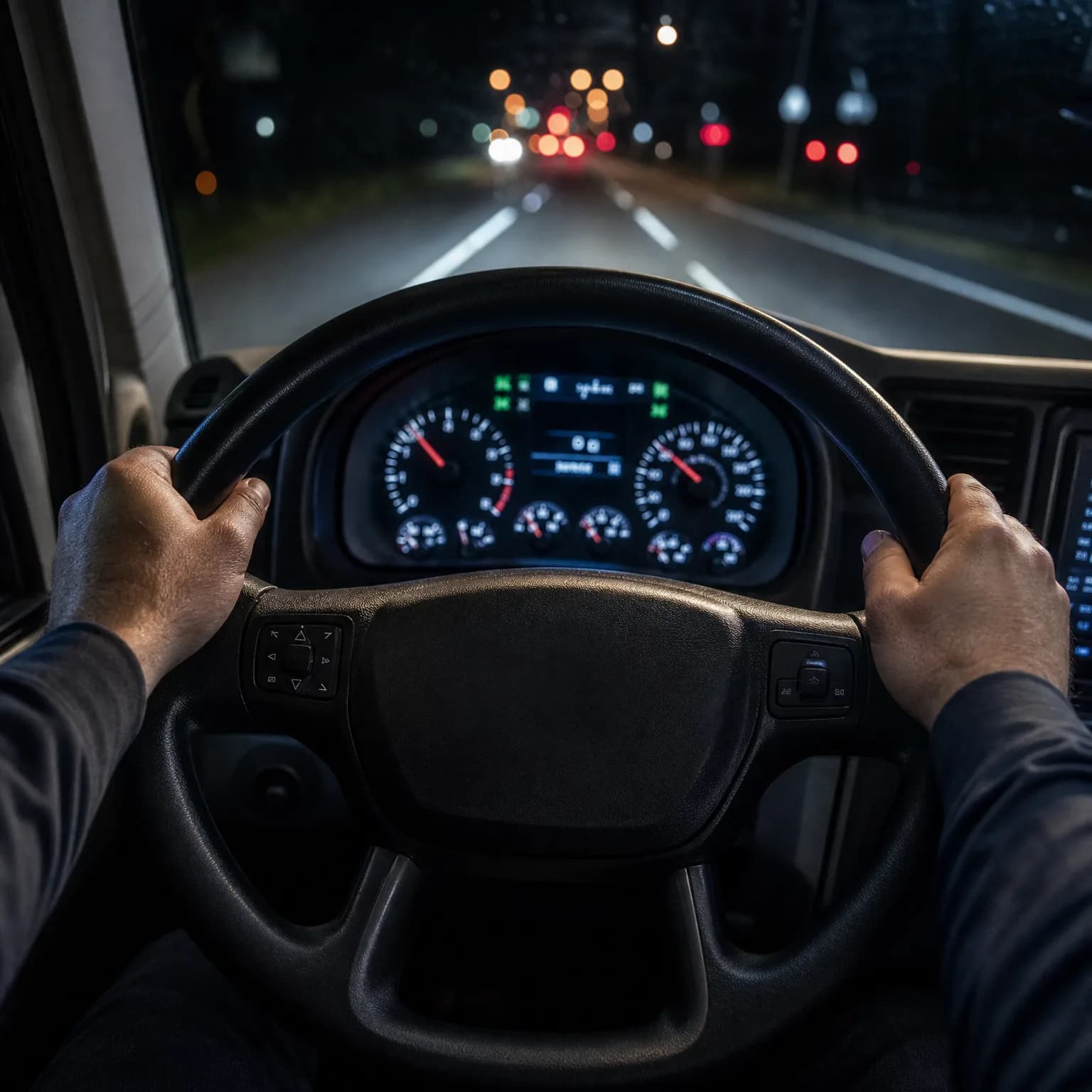
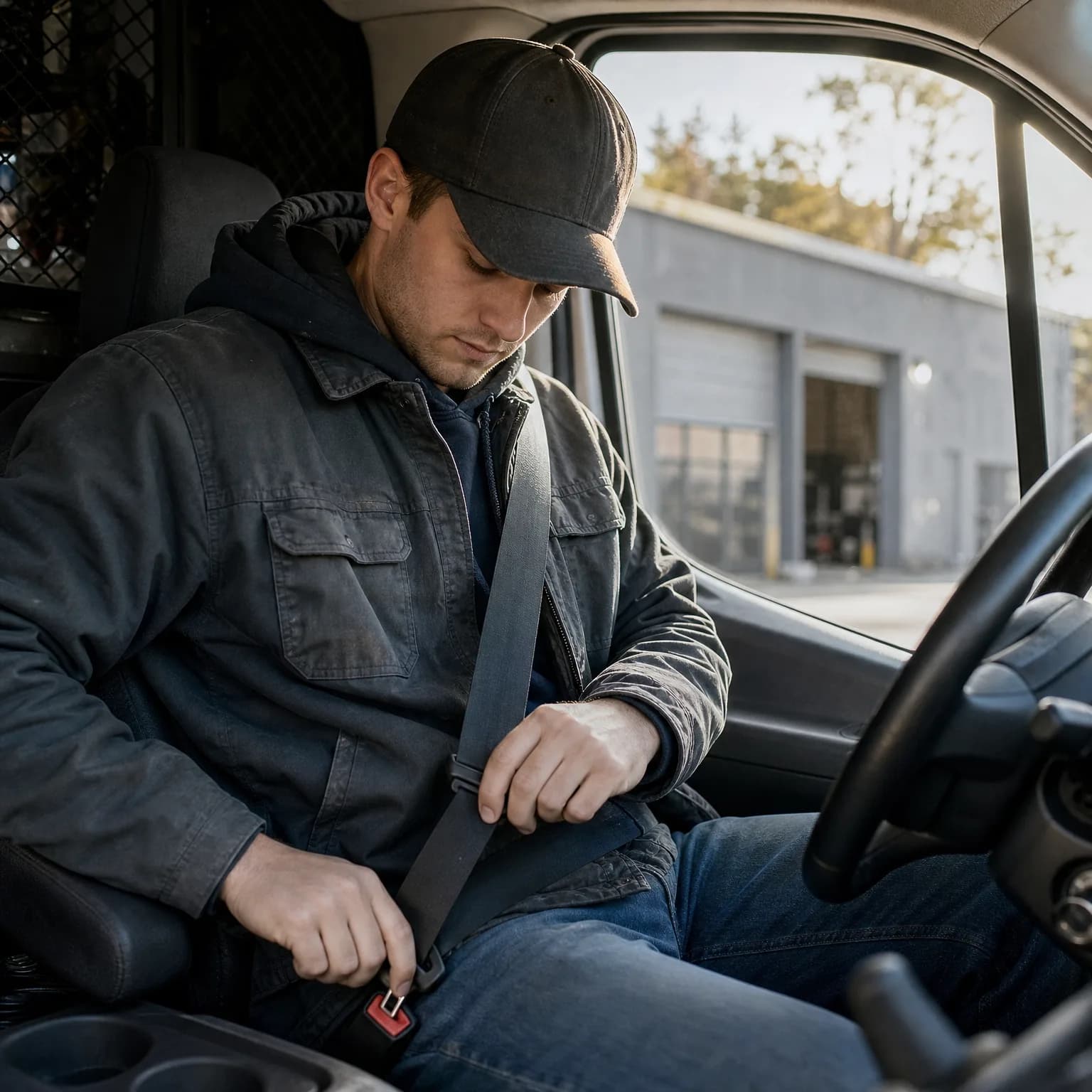
A carrier writing SR-22 filings does not automatically accept ignition interlock devices on insured vehicles. IID installation changes vehicle risk profile — some carriers exclude modified vehicles, others surcharge for IID equipment, and a few decline coverage entirely once the device is installed. This creates a sequencing problem: Washington requires proof of SR-22 insurance before issuing the IIL, and the IIL requires IID installation, but some carriers will not insure the vehicle after IID installation.
The workaround: disclose the IID requirement during the quote process. Ask the carrier directly whether they insure IID-equipped vehicles and whether IID installation triggers a policy exclusion or surcharge. Carriers that write post-DUI coverage regularly encounter IID requirements and have underwriting guidelines in place. Carriers that write standard-tier policies may not, and discovering the exclusion after installation leaves you without coverage and unable to activate the IIL.
Non-owner SR-22 policies bypass this problem entirely if you do not own a vehicle. Washington allows non-owner SR-22 to satisfy the insurance requirement for IIL issuance, and non-owner policies do not insure a specific vehicle. If you plan to drive a family member's IID-equipped vehicle rather than your own, the non-owner SR-22 route eliminates the carrier IID-acceptance question. Geico, Progressive, USAA, Dairyland, and The General all write non-owner SR-22 in Washington.
3 years
Washington SR-22 Filing Period
Washington requires SR-22 insurance filing for 3 years after a DUI conviction or other financial responsibility violation. The period starts from the conviction date, not the filing date. Any lapse in coverage during the 3-year period restarts the clock and triggers an automatic DOL suspension.
Washington Department of Licensing SR-22 requirements

What Reinstatement Actually Costs in Washington
Washington DOL charges a $75 base reinstatement fee after suspension. If your suspension stems from a DUI, add the $100 IIL application fee. If you also face an administrative suspension under RCW 46.20.308 (Implied Consent), DOL may stack additional fees depending on refusal or test-failure status. The total administrative cost before insurance or IID expenses typically runs $175 to $275.
Ignition interlock device installation and monthly monitoring fees are set by the IID provider, not the state. Washington requires DOL-approved IID providers — the provider certificate is mandatory documentation for the IIL application. Installation costs typically run $75 to $150, with monthly monitoring fees from $60 to $90. Over a 1-year IIL period, IID costs alone range from $800 to $1,200, separate from insurance premiums and reinstatement fees.
Compare Carriers That Write Your Situation
Start by requesting quotes from carriers confirmed to write SR-22 in Washington: Geico, Progressive, Bristol West, Dairyland, The General. Disclose the suspension cause, the IIL requirement, and the IID installation requirement during the quote process — withholding this information produces quotes that will not bind once the carrier runs your driving record. Request confirmation in writing that the carrier insures IID-equipped vehicles before you pay the IID installation fee.
If you do not own a vehicle, request non-owner SR-22 quotes from Geico, Progressive, USAA (if eligible), Dairyland, and The General. Non-owner policies satisfy Washington's SR-22 requirement for IIL issuance and eliminate the IID-acceptance question. Compare the non-owner premium against the cost of insuring an IID-equipped vehicle you own — for some drivers, the non-owner route is cheaper even if they have access to a vehicle, because it avoids comprehensive and collision coverage costs on a vehicle they drive infrequently during the IIL period.
Which Carriers Write High-Risk SR-22 in Washington
Geico, Progressive, and USAA write SR-22 filings in Washington and accept new customers with active suspensions. Geico and Progressive operate in the standard tier but maintain non-standard underwriting divisions for high-risk drivers. USAA restricts eligibility to military members and their families but writes SR-22 for suspended drivers within that population. All three file SR-22 electronically with Washington DOL, typically processing within 1-3 business days.
Bristol West, Dairyland, National General, and The General operate in the non-standard tier and specialize in high-risk drivers. Bristol West and Dairyland explicitly advertise SR-22 and post-DUI coverage. The General writes SR-22 and non-owner policies for suspended drivers without vehicles. National General writes SR-22 but carrier-specific IID acceptance varies by underwriting guidelines — confirm IID compatibility before applying. State Farm writes SR-22 in Washington but typically requires existing customer status before filing for suspended drivers.
Get Your Free Quote
Get My Washington SR-22 Auto Insurance QuoteFrequently Asked Questions
Can I get SR-22 insurance in Washington if I don't own a car?
Yes. Washington accepts non-owner SR-22 policies to satisfy the insurance requirement for Ignition Interlock License issuance. Geico, Progressive, USAA, Dairyland, and The General all write non-owner SR-22 in Washington. Non-owner policies provide liability coverage when you drive vehicles you do not own, and Washington DOL accepts them for reinstatement and IIL purposes.
Does Washington require SR-22 for all license suspensions?
No. Washington requires SR-22 filing for DUI suspensions, uninsured driving violations, and some financial responsibility cases. Points-based suspensions, unpaid fines, and failure-to-appear suspensions typically do not require SR-22. Check your DOL suspension notice — it will state explicitly whether SR-22 filing is required as a reinstatement condition.
How long does SR-22 filing take in Washington?
Most carriers file SR-22 electronically with Washington DOL and processing completes within 1-3 business days. You receive a confirmation from the carrier, and DOL updates your driver record to show proof of insurance on file. Paper filings take longer, typically 7-10 business days.
What happens if my SR-22 insurance lapses in Washington?
Any lapse in SR-22 coverage during the required 3-year filing period triggers an automatic DOL suspension. The carrier notifies DOL of the lapse within 24 hours, and your driving privileges are suspended immediately. Reinstating after a lapse requires obtaining new SR-22 coverage, paying a reinstatement fee, and restarting the 3-year filing period from the date of reinstatement.
Can I use Washington's Ignition Interlock License to drive out of state?
Washington's IIL allows you to drive anywhere, including out of state, but only in a vehicle equipped with a DOL-approved ignition interlock device. The device must be installed and maintained according to Washington requirements regardless of where you drive. Some states do not recognize out-of-state restricted licenses — verify reciprocity before driving across state lines during your IIL period.
Do all SR-22 carriers in Washington accept ignition interlock devices?
No. Some carriers write SR-22 filings but exclude IID-equipped vehicles from coverage or apply surcharges for modified vehicles. Disclose the IID requirement during the quote process and request written confirmation that the carrier insures IID-equipped vehicles before paying for device installation.