
SR-22 Insurance After an Accident — Washington
Free to compare
The Revocation Letter Arrives Weeks After the Crash
You caused an accident in Washington without proper insurance or with coverage below state minimums. The crash happened weeks ago, maybe a month. Now the Washington Department of Licensing has sent a revocation notice requiring SR-22 filing for three years. Your license is suspended until you file proof of financial responsibility, pay the reinstatement fee, and satisfy any outstanding judgments from the accident. You assumed the three-year clock started the day of the crash. It did not.
Washington operates under an electronic insurance verification system that cross-references accident reports with active policy data. When DOL receives notification that you were involved in an at-fault accident without meeting the state's $25,000/$50,000/$10,000 minimum liability requirement, it issues an administrative revocation under RCW 46.29 and RCW 46.20. The SR-22 filing requirement begins on the revocation effective date printed on that notice, not the accident date. Filing two months late does not shorten your requirement to 34 months — it resets the full 36-month clock from the day your carrier submits the SR-22 to DOL.
“A gap of even one day between carrier filings triggers automatic revocation and restarts Washington's full 3-year SR-22 clock.”

Get Back on Washington Roads With the Right SR-22
Get My Washington SR-22 Auto Insurance Quote$75
Washington Reinstatement Fee
The base administrative reinstatement fee charged by Washington DOL after an insurance-related suspension. This does not include court fines, judgment satisfaction, or the carrier's SR-22 filing fee, which varies by insurer.
Washington Department of Licensing fee schedule
SR-22 Is Proof of Financial Responsibility, Not Coverage
SR-22 is not insurance. It is a certificate your carrier files electronically with Washington DOL certifying that you carry at least the state's minimum liability coverage: $25,000 per person for bodily injury, $50,000 per accident for bodily injury, and $10,000 for property damage. The filing itself costs between $15 and $50 as a one-time administrative fee charged by the carrier. The actual cost driver is the premium increase you face after being classified as high-risk.
Washington requires continuous SR-22 filing for three years from the revocation date. If your policy lapses or is canceled for any reason during that period — nonpayment, switching carriers without re-filing, letting coverage expire — your carrier is required to notify DOL electronically within 10 days. DOL immediately re-suspends your license. The three-year clock does not pause during the lapse. When you refile, the full three-year period restarts from the new filing date.
Most drivers assume switching carriers mid-filing will preserve their progress. It does not unless the new carrier files SR-22 before the old policy cancels. A gap of even one day between carrier filings triggers an automatic revocation and restarts the clock. Coordinate the transition with both carriers before making any move.
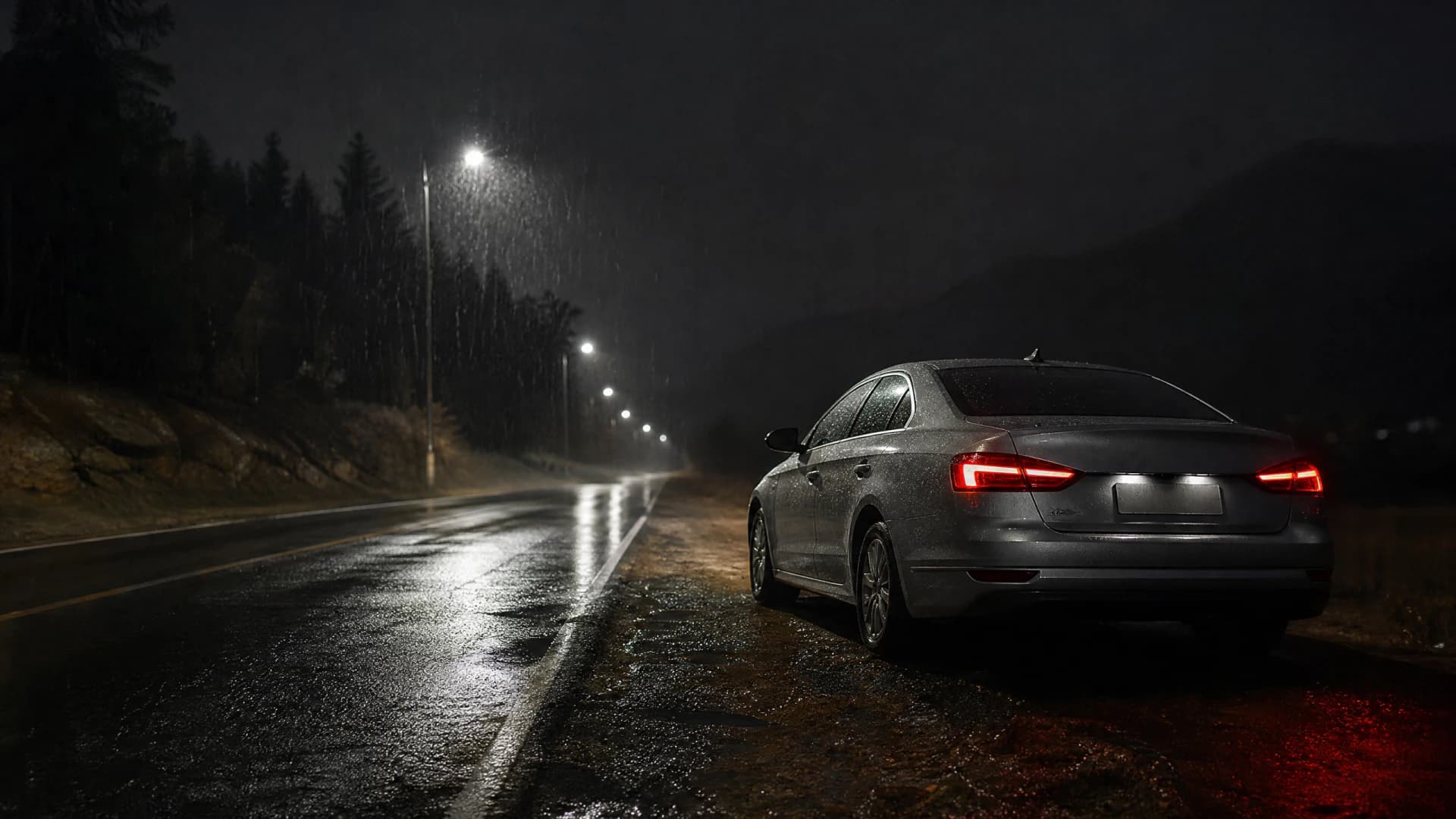
A single day of lapsed SR-22 coverage restarts Washington's full 3-year filing period — there is no grace period, no warning, and no partial credit for time already served.



Non-Owner SR-22 When You Sold the Vehicle After the Crash
Many Washington drivers involved in at-fault accidents sell or total the vehicle afterward and do not immediately replace it. DOL does not care whether you currently own a car — the SR-22 filing requirement applies to your license, not to a specific vehicle. You must maintain continuous proof of financial responsibility for three years regardless of ownership status.
Non-owner SR-22 policies satisfy this requirement. A non-owner policy provides liability coverage when you drive a vehicle you do not own — a rental, a borrowed car, a company vehicle. It does not cover a vehicle registered in your name. Premiums for non-owner SR-22 policies in Washington typically run 30 to 50 percent lower than standard SR-22 auto policies because the carrier assumes lower exposure. Geico, Progressive, Dairyland, The General, and USAA all write non-owner SR-22 in Washington.
If you buy a vehicle later during the three-year filing period, you must convert the non-owner policy to a standard auto policy with SR-22 endorsement before registering the car. The conversion does not restart the SR-22 clock as long as there is no coverage gap between the non-owner cancellation and the new policy effective date. Notify your carrier at least five business days before you take possession of the vehicle to ensure continuous filing.
3 years
Washington SR-22 Filing Period
Measured from the DOL revocation date, not the accident date. Any lapse in coverage during this period triggers immediate re-suspension and restarts the full 36-month requirement from the new filing date.
RCW 46.29 financial responsibility statutes
Ignition Interlock License Does Not Apply to Accident Cases
Washington's Ignition Interlock License (IIL) program allows DUI-suspended drivers to drive unrestricted as long as the vehicle is equipped with an approved ignition interlock device. IIL does not apply to accident-based suspensions unless the accident also involved a DUI charge. If your suspension resulted solely from driving uninsured or underinsured during an at-fault crash, you have no hardship or restricted license option in Washington. You must serve the full suspension period until you file SR-22, pay the reinstatement fee, and satisfy any court judgments.
Washington explicitly eliminated hardship licenses for non-DUI suspensions. Points-based suspensions, unpaid fine suspensions, and financial responsibility suspensions have no pathway to restricted driving. The only option is full reinstatement, which requires SR-22 filing and proof that all accident-related judgments have been satisfied or payment plans approved by DOL.
Compare Carriers That Write Your Situation
SR-22 filing is required. The three-year clock is running from your revocation date. Your next step is obtaining coverage from a carrier that writes accident-based SR-22 in Washington and will file electronically with DOL within 24 hours of binding the policy. Standard-tier carriers decline 30 to 40 percent of post-accident cases; non-standard carriers accept nearly all but charge significantly higher premiums. Request quotes from at least one standard carrier and one non-standard specialist to establish your actual rate range before committing. Once your carrier files SR-22 with DOL and you pay the $75 reinstatement fee, your license is eligible for immediate reinstatement. Drive continuously for 36 months without a lapse, and the filing requirement expires automatically.
Which Carriers Write SR-22 After At-Fault Accidents
Standard-tier carriers writing SR-22 in Washington: Geico, Progressive, State Farm, and National General all accept SR-22 filings for accident-related suspensions and maintain electronic filing relationships with DOL. These carriers typically offer lower premiums than non-standard specialists but may decline coverage if the accident involved DUI, excessive speed, or multiple violations within 36 months. Geico and Progressive both support online quote requests for SR-22 filings; State Farm requires agent contact for post-accident cases.
Non-standard carriers writing SR-22 after accidents: Bristol West, Dairyland, and The General specialize in high-risk drivers and accept nearly all accident-based SR-22 cases regardless of severity. Premiums run 40 to 80 percent higher than standard-tier carriers, but approval is nearly guaranteed. Bristol West requires broker contact; Dairyland and The General support direct online quotes. If two standard carriers decline your case, move directly to non-standard rather than continuing to accumulate declinations that further flag your profile.
Get Your Free Quote
Get My Washington SR-22 Auto Insurance QuoteFrequently Asked Questions
Does the 3-year SR-22 requirement start on the accident date or the suspension date in Washington?
The 3-year SR-22 filing period in Washington starts on the DOL revocation effective date printed on your suspension notice, not the date of the accident. Filing two months after the revocation date does not shorten your requirement to 34 months — it restarts the full 36-month clock from the day your carrier submits the SR-22 to DOL.
Can I get a hardship license in Washington after an at-fault uninsured accident?
No. Washington's Ignition Interlock License (IIL) program applies only to DUI-related suspensions. If your suspension resulted solely from causing an accident without proper insurance, you have no hardship or restricted license option. You must serve the full suspension period until you file SR-22, pay the $75 reinstatement fee, and satisfy any court judgments.
What happens if I switch insurance carriers during my SR-22 filing period in Washington?
A gap of even one day between carrier SR-22 filings triggers automatic license re-suspension and restarts the full 3-year requirement from the new filing date. Coordinate the transition with both carriers before switching — the new carrier must file SR-22 with DOL before the old policy cancels to preserve continuous filing and avoid restarting the clock.
Do I need SR-22 insurance in Washington if I don't own a car after the accident?
Yes. Washington's SR-22 requirement applies to your license, not to a specific vehicle. If you do not currently own a car, a non-owner SR-22 policy satisfies the filing requirement and typically costs 30 to 50 percent less than a standard SR-22 auto policy. You must maintain continuous non-owner SR-22 filing for the full 3-year period.
Which insurance carriers in Washington accept SR-22 filings for drivers with at-fault accidents?
Geico, Progressive, State Farm, and National General write SR-22 for accident-related suspensions at standard-tier rates but may decline cases involving DUI or multiple violations. Bristol West, Dairyland, and The General specialize in high-risk SR-22 cases and accept nearly all accident-based filings, though premiums run 40 to 80 percent higher than standard carriers.
How much does SR-22 filing cost in Washington after an accident?
The SR-22 filing fee charged by the carrier ranges from $15 to $50 as a one-time administrative charge. Washington DOL charges a $75 base reinstatement fee. The actual cost driver is the premium increase from being classified as high-risk, which varies by carrier, driving history, and coverage selections. Estimates based on available industry data; individual rates vary.