
Best SR-22 Carriers — Kent, Washington
Free to compare
Which Kent Carriers Actually Write Your Suspension Type
Your license was suspended in Washington, you need SR-22 insurance to reinstate, and every carrier comparison article lists the same five names without telling you which ones will actually write a policy for your specific violation. You call Allstate and they decline. You try State Farm and they quote you but won't file SR-22 for a DUI. You're three carriers deep before you realize that 'best SR-22 carrier' is meaningless if they won't cover the trigger that suspended you in the first place.
Washington requires SR-22 filing for DUI, reckless driving, uninsured accidents, and some financial responsibility violations. The filing period is 3 years from the suspension date. Kent drivers face a carrier market segmented by violation type: some carriers write DUI suspensions, some write points-based suspensions, some write lapsed-insurance suspensions, and some write none of them. The 'best' carrier is the one that writes your trigger, files to the Washington Department of Licensing within 24 hours, and charges a premium you can sustain for three years.
“The 'best' carrier is the one that writes your trigger, files to the DOL within 24 hours, and charges a premium you can sustain for three years.”

Get Back on Washington Roads With the Right SR-22
Get My Washington SR-22 Auto Insurance Quote3 years
Washington SR-22 Filing Period
Washington requires continuous SR-22 filing for 3 years after most suspension triggers, measured from the violation date or reinstatement date depending on suspension type. A lapse in coverage during this period triggers automatic re-suspension and restarts the 3-year clock.
Washington Department of Licensing reinstatement requirements
DUI Suspensions: Who Writes Them in Kent
Geico, Progressive, Dairyland, Bristol West, The General, and National General write SR-22 policies after DUI suspensions in Washington. State Farm writes SR-22 for some violations but does not prominently advertise post-DUI coverage. Allstate, Farmers, Hartford, Liberty Mutual, Nationwide, Travelers, and USAA either decline DUI risks outright or route them to non-standard subsidiaries not available through the main brand quote path.
Bristol West operates in the non-standard tier and writes high-risk drivers including post-DUI cases, but requires broker contact—you cannot quote online directly. Dairyland and The General allow online quotes for SR-22 post-DUI drivers. Progressive and Geico write DUI risks in their standard tier with surcharge pricing. If you need same-day filing and cannot wait for broker callback, start with Progressive, Geico, or Dairyland. If price is the dominant concern and you can wait 1-2 business days for broker outreach, add Bristol West to your quote list.
Washington law requires ignition interlock device installation for DUI-related suspensions under RCW 46.20.385. Your SR-22 carrier does not verify IID compliance—that responsibility sits with the DOL—but your premium will reflect the underlying DUI violation regardless of IID status. Carriers price the violation, not the device.
The premium difference between a DUI-writing carrier and a standard-tier carrier that declines you is not the information gain here. The gain is knowing which carriers will write the policy at all. Calling six carriers to find one that says yes wastes procedural days you cannot recover when your reinstatement window is closing.
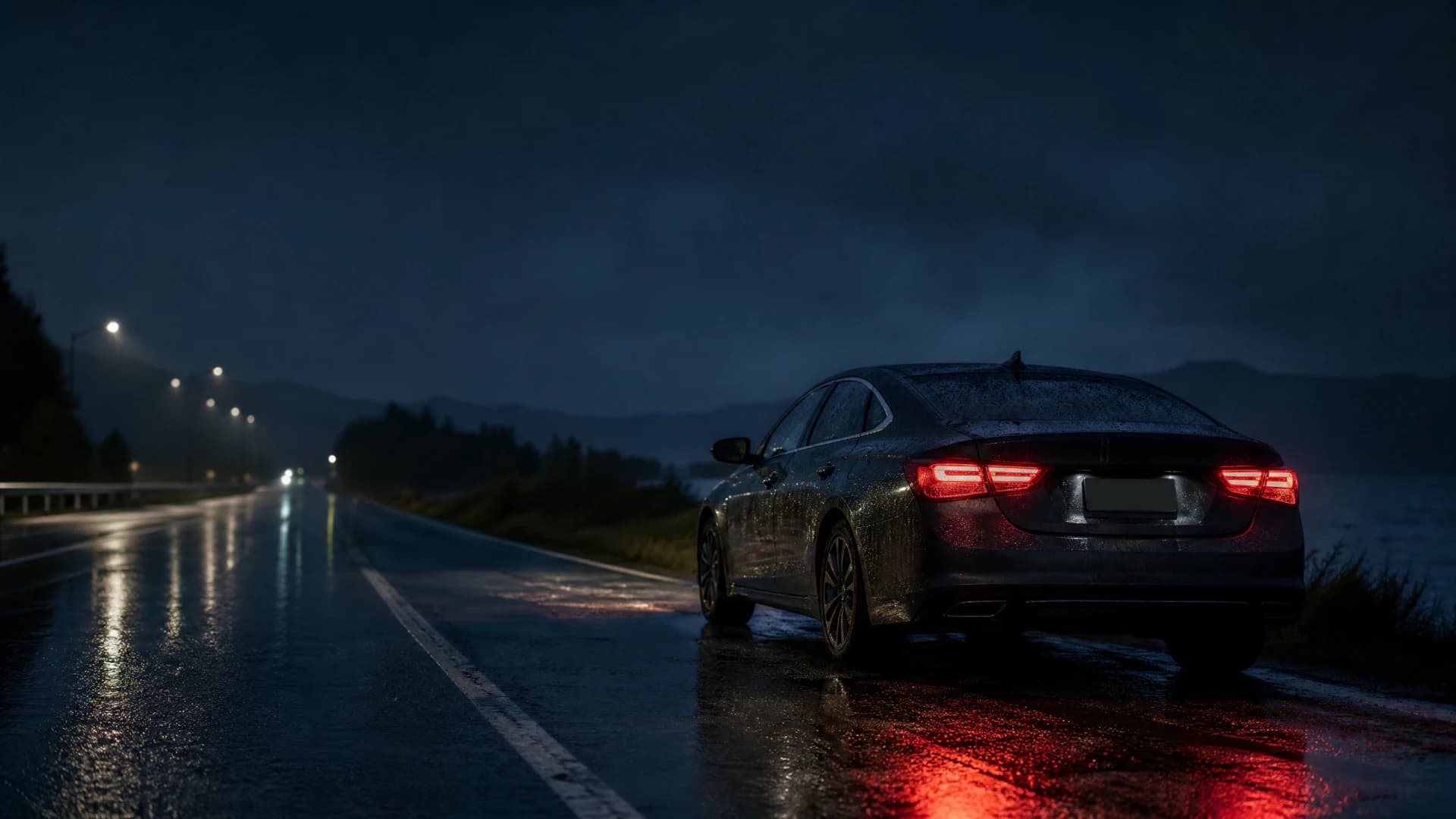
If your suspension trigger was lapsed insurance or points accumulation rather than DUI, your carrier pool expands significantly—but you still cannot assume every carrier will file SR-22 for non-DUI violations.





Filing Speed and DOL Confirmation Windows
Washington Department of Licensing receives SR-22 filings electronically. Most carriers transmit filings within 24 hours of policy binding. The DOL processes incoming filings within 1-5 business days depending on current queue volume. You will not see the SR-22 reflected on your DOL driving record instantly—expect a processing lag even when the carrier files same-day.
Some Kent drivers assume that paying for a policy and receiving a confirmation email means their SR-22 is filed and active. The confirmation email confirms your premium payment and policy issuance. It does not confirm DOL receipt or processing. To verify that your SR-22 filing is on record with the DOL, check your driving record online at dol.wa.gov or call the DOL licensing division directly. Do not assume carrier filing equals DOL confirmation.
Carriers differ in their internal filing queue timing. Progressive and Geico generally file within 24 hours. Dairyland files within 24-48 hours. Bristol West, operating through brokers, files after broker submission is complete, which can add 1-2 business days. The General files within 24 hours for most policies. If you are approaching a court-ordered reinstatement deadline or a suspension expiration date, choose a carrier with documented same-day electronic filing rather than one whose broker layer adds procedural delay.
$100
Washington Ignition Interlock License Fee
Washington charges a $100 application fee for the Ignition Interlock License, the state's hardship license for DUI suspensions. The IIL allows unrestricted driving in an IID-equipped vehicle and requires SR-22 insurance as a prerequisite. The fee is separate from reinstatement fees and SR-22 filing costs.
Washington Department of Licensing IIL program requirements

Broker-Required Carriers and What That Means for Kent Drivers
Bristol West requires broker contact to bind a policy. You cannot complete an application, pay premium, and receive confirmation in a single online session the way you can with Progressive, Geico, or Dairyland. Bristol West routes all high-risk applicants through licensed insurance agents who submit the application on your behalf. The broker reviews your violation details, driving history, and coverage needs, then submits to Bristol West underwriting. Approval and premium quoting follow within 1-2 business days in most cases.
Broker-required carriers are not inherently slower or more expensive, but they add a communication layer. If you need a policy bound today because your reinstatement hearing is tomorrow, a broker-required carrier cannot meet that timeline. If your suspension does not carry an immediate procedural deadline and you want access to a wider pool of non-standard carriers, broker submission opens options that direct-to-consumer carriers exclude. The tradeoff is speed versus market access.
Compare Carriers That Write Your Suspension Trigger
Start by identifying your suspension trigger. Washington suspensions fall into categories: DUI/physical control, reckless driving, uninsured accident, insurance lapse, excessive points, unpaid tickets, or failure to appear. Each category changes which carriers will write you. If your trigger was DUI, your Kent carrier pool is Geico, Progressive, Dairyland, Bristol West, The General, and National General. If your trigger was lapsed insurance or points accumulation, add State Farm and potentially others depending on violation details.
Request quotes from at least three carriers that write your trigger type. Compare not only premium but filing speed, policy binding process, and whether broker contact is required. Verify that the quoted policy includes SR-22 filing—some carriers require you to request SR-22 explicitly during application. Confirm the carrier will maintain the filing for the full 3-year Washington requirement without requiring you to renew or re-request annually. Ask whether the carrier notifies the DOL automatically if you cancel or lapse coverage—you need advance warning before a lapse triggers re-suspension.
Once you bind a policy, confirm the carrier has filed SR-22 with the Washington DOL by checking your driving record 5-7 business days after binding. Do not assume filing happened because you paid premium. The procedural checkpoint is DOL confirmation, not carrier confirmation. Washington SR-22 reinstatement requirements specify that the filing must be active and on record with the DOL before reinstatement can proceed. Missing this verification step costs you procedural weeks if the filing did not transmit correctly.
Non-Owner SR-22: Kent Drivers Without Vehicles
Geico, Progressive, Dairyland, The General, and USAA write non-owner SR-22 policies in Washington. These policies cost significantly less than standard owner policies because they carry no collision or comprehensive coverage and assume you drive infrequently. A non-owner SR-22 policy typically covers bodily injury and property damage liability at Washington's minimum limits: $25,000 per person, $50,000 per accident, $10,000 property damage. The carrier files SR-22 to the DOL on your behalf and maintains the filing for the required 3-year period.
Non-owner policies do not cover vehicles you own, vehicles registered to your household, or vehicles you drive regularly with the owner's permission if the owner has named you on their policy. If you live with a vehicle owner and drive their car routinely, you must be added as a named driver to their policy rather than carrying separate non-owner coverage. Washington DOL does not distinguish between owner and non-owner SR-22 filings—the filing itself is identical and satisfies the same reinstatement condition. Your choice between owner and non-owner coverage depends entirely on whether you own or regularly access a vehicle, not on DOL preference.
Get Your Free Quote
Get My Washington SR-22 Auto Insurance QuoteFrequently Asked Questions
Which SR-22 carriers in Kent write policies after a DUI suspension?
Geico, Progressive, Dairyland, Bristol West, The General, and National General write SR-22 policies for DUI suspensions in Washington. Bristol West requires broker contact and cannot bind same-day online. Progressive, Geico, and Dairyland allow direct online quotes and typically file SR-22 within 24 hours of binding.
How long does it take for an SR-22 filing to reach the Washington DOL?
Most carriers transmit SR-22 filings electronically within 24 hours of policy binding. The Washington Department of Licensing processes incoming filings within 1-5 business days. You should verify the filing appears on your DOL driving record 5-7 business days after binding the policy.
Can I get non-owner SR-22 insurance in Kent if I don't own a car?
Yes. Geico, Progressive, Dairyland, The General, and USAA write non-owner SR-22 policies in Washington. Non-owner policies provide liability coverage when you drive someone else's vehicle and satisfy Washington's SR-22 requirement without insuring a specific car. The DOL treats owner and non-owner SR-22 filings identically for reinstatement purposes.
Do all carriers that write standard auto insurance also write SR-22 policies?
No. Many standard-tier carriers decline SR-22 risks or route them to non-standard subsidiaries not available through the main brand. Allstate, Farmers, Hartford, Liberty Mutual, Nationwide, and Travelers either decline SR-22 applicants outright or do not advertise post-violation coverage through their primary quote channels. Always confirm the carrier writes your suspension trigger before starting an application.
What happens if my SR-22 insurance lapses during the 3-year filing period in Washington?
If your SR-22 insurance lapses or is cancelled, your carrier is required to notify the Washington DOL electronically. The DOL will re-suspend your license immediately and restart the 3-year SR-22 filing requirement from the date you reinstate with a new filing. A lapse does not reduce or pause the original filing period—it extends it.
Does Washington require ignition interlock for all SR-22 drivers?
No. Washington requires ignition interlock devices only for DUI and physical control suspensions under RCW 46.20.385. If your suspension trigger was lapsed insurance, points accumulation, or unpaid tickets, you are not subject to IID requirements. SR-22 filing is a separate financial responsibility requirement that applies across multiple suspension types.
How much does SR-22 insurance cost in Kent after a suspension?
SR-22 insurance pricing varies by carrier, violation type, driving history, vehicle, and coverage selections. Carriers charge a small one-time SR-22 filing fee set by the carrier and state, and the underlying auto insurance premium reflects the suspension trigger as a surcharge. Individual rates vary; compare quotes from at least three carriers that write your suspension type.