Non-Owner SR-22 Insurance — Washington
Free to compare
Why You Need SR-22 Without Owning a Car
Washington Department of Licensing suspended your driving privileges for DUI, uninsured driving, or another financial responsibility violation. You do not currently own a vehicle — maybe you sold it after the suspension, maybe you relied on public transit before the incident, or maybe someone else in your household owns the car you were driving. DOL requires SR-22 insurance filing as a reinstatement condition under RCW 46.29, and the requirement does not disappear just because you lack vehicle ownership.
Non-owner SR-22 insurance covers you as a driver when you operate vehicles you do not own — borrowed cars, rental vehicles, or household vehicles titled to someone else. The policy provides the state-mandated liability minimums (Washington requires 25/50/10 under RCW 46.29.090) and generates the SR-22 certificate that DOL requires to lift your suspension. The filing attaches to your driver's license record, not to a specific vehicle.
“Non-owner policies do not cover vehicles you own or have regular access to — carriers require a standard policy with the vehicle listed.”
Get Back on Washington Roads With the Right SR-22
Get My Washington SR-22 Auto Insurance Quote$25–$45/mo
WA Non-Owner SR-22 Premium
Non-owner SR-22 policies in Washington typically cost $25 to $45 per month for state minimum liability coverage, significantly less than standard auto policies because the carrier assumes lower exposure when you do not own a vehicle. Individual rates vary by violation history and county.
Estimates based on available carrier rate data for Washington non-owner policies, 2024
How Non-Owner SR-22 Differs From Standard Auto Policies
A standard auto insurance policy lists a specific vehicle on the declarations page and covers that vehicle whether you are driving or someone else is. The SR-22 certificate names the vehicle along with your driver's license number. Non-owner policies work differently: the declarations page lists no vehicle, the coverage follows you as the named insured, and the SR-22 certificate references your license number only.
This distinction matters for three reasons. First, non-owner policies provide secondary coverage when you borrow a vehicle — the car owner's policy pays first if a claim occurs, and your non-owner policy covers gaps or excess liability. Second, non-owner policies do not cover vehicles you own, lease, or have regular access to; if you live with someone who owns a car and you drive it regularly, carriers classify that as regular-use access and require a standard policy with the vehicle listed. Third, non-owner SR-22 filing satisfies Washington's reinstatement requirement even though no vehicle appears on the certificate — DOL cares that you carry continuous liability coverage, not that you own a car.
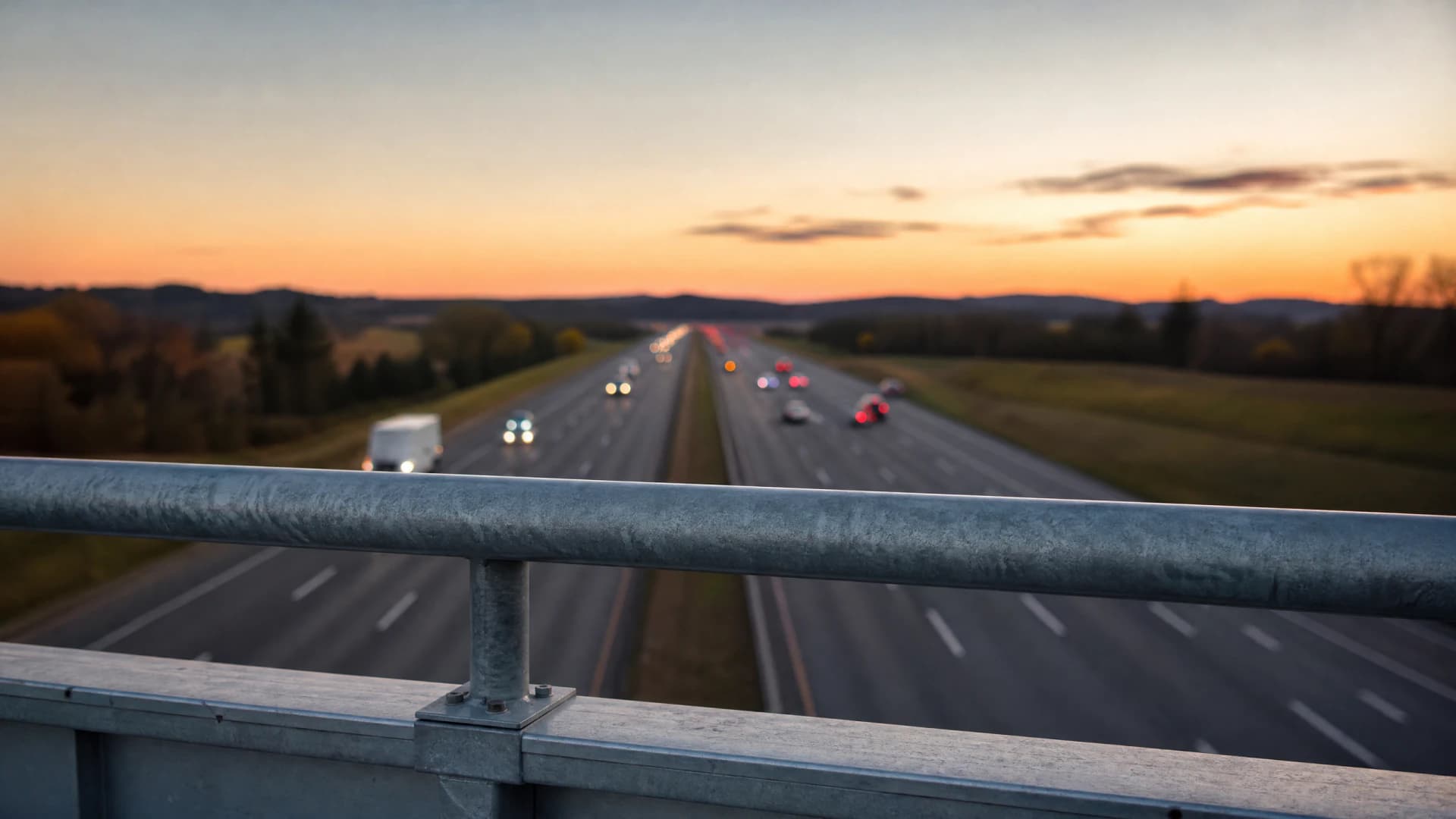
If you own a vehicle or have regular access to a household car, carriers will not issue a non-owner policy — you need a standard auto policy with the vehicle listed.
Related Articles


Documentation and Filing Mechanics
Washington DOL requires carriers to file the SR-22 certificate electronically through the state's insurance verification system. When you purchase a non-owner policy, the carrier transmits the SR-22 filing to DOL within 24 hours in most cases, though some carriers batch filings and submit within 3 business days. You receive a copy of the SR-22 certificate by mail or email, but you do not need to deliver it to DOL yourself — the carrier handles transmission.
The policy effective date and the SR-22 filing date are not always the same. If you purchase coverage on a Friday and the carrier files Monday, your policy is active Friday but DOL does not receive the SR-22 until Monday. For reinstatement purposes, the filing date controls. If your suspension ended and you are applying for reinstatement, verify that the carrier has transmitted the SR-22 before you pay DOL's $75 reinstatement fee.
Washington requires continuous SR-22 coverage for three years after the filing date for most DUI and financial responsibility violations. If your non-owner policy lapses — you miss a payment, cancel coverage, or the carrier cancels for nonpayment — the carrier files an SR-26 cancellation notice with DOL. DOL re-suspends your license immediately under RCW 46.29, and you must obtain new coverage, file a new SR-22, serve any additional suspension period imposed for the lapse, and pay another reinstatement fee.
3 years
WA SR-22 Filing Period
Washington requires SR-22 insurance filing for three years after DUI, uninsured driving, and most financial responsibility violations. The three-year clock starts from the date the carrier files the SR-22 certificate with DOL, not from your conviction or suspension date. Any lapse resets the clock.
RCW 46.29 and Washington Department of Licensing reinstatement requirements
What Happens If You Buy a Car Later
If you purchase, lease, or gain regular access to a vehicle while your non-owner SR-22 policy is active, you must convert to a standard auto policy and list the vehicle. Non-owner policies explicitly exclude coverage for vehicles you own or have regular use of. Driving a newly purchased car under a non-owner policy leaves you uninsured — if a claim occurs, the carrier denies coverage and you face another financial responsibility suspension.
Contact your carrier immediately when your vehicle ownership status changes. Most carriers allow you to convert a non-owner policy to a standard auto policy mid-term without losing your SR-22 filing continuity. The carrier cancels the non-owner policy, issues a standard policy with the vehicle listed, and re-files the SR-22 certificate (now vehicle-attached) to DOL. This counts as continuous coverage for your three-year SR-22 period as long as no gap occurs between the cancellation of the non-owner policy and the effective date of the standard policy.
Compare Carriers Now
Geico, Progressive, Dairyland, Bristol West, and The General all write non-owner SR-22 policies in Washington, but rates, filing speed, and approval standards vary by carrier and by your specific violation history. A DUI-triggered suspension produces different underwriting outcomes than a lapse-triggered suspension. Request quotes from at least three carriers to identify the lowest premium for your situation. Verify that the carrier files SR-22 certificates electronically to Washington DOL — paper filings delay reinstatement by days or weeks.
Five Carriers Writing Non-Owner SR-22 in Washington
Geico writes non-owner SR-22 policies through its standard-tier underwriting arm and files electronically to Washington DOL. Online quote tools handle non-owner requests directly; no broker required. Geico's non-owner rates in Washington typically fall in the $30–$50/mo range depending on violation type and county. Progressive writes non-owner SR-22 through its standard and non-standard tiers and provides same-day electronic filing in most cases. Progressive's snapshot discount does not apply to non-owner policies because there is no vehicle to monitor, but multi-policy and pay-in-full discounts remain available.
Dairyland specializes in high-risk and non-standard coverage and writes non-owner SR-22 policies in 38 states including Washington. Dairyland accepts DUI and multiple-violation drivers that standard carriers decline. Rates skew higher ($40–$60/mo) but approval is more lenient. Bristol West operates as a non-standard carrier under the Farmers Insurance Group and writes non-owner SR-22 through broker channels only — you cannot quote directly online. Bristol West accepts suspended drivers with recent DUI convictions that Geico and Progressive decline. The General writes non-owner SR-22 as part of its non-standard auto portfolio and files electronically to Washington DOL. The General's rate structure favors drivers with suspended licenses; non-owner premiums in Washington typically range $35–$55/mo.
Get Your Free Quote
Get My Washington SR-22 Auto Insurance QuoteFrequently Asked Questions
Can I get SR-22 insurance in Washington without owning a car?
Yes. Non-owner SR-22 policies provide liability coverage when you drive vehicles you do not own and generate the SR-22 certificate Washington DOL requires for reinstatement. Geico, Progressive, Dairyland, Bristol West, and The General all write non-owner SR-22 policies in Washington.
How much does non-owner SR-22 insurance cost in Washington?
Non-owner SR-22 policies in Washington typically cost $25 to $45 per month for state minimum liability coverage. Rates vary by carrier, violation type, and county. Non-owner premiums are lower than standard auto policies because the carrier assumes less risk when you do not own a vehicle.
How long does it take for a carrier to file SR-22 with Washington DOL?
Most carriers file SR-22 certificates electronically to Washington DOL within 24 hours of policy purchase. Some carriers batch filings and submit within 3 business days. The filing date controls your reinstatement eligibility, not the policy effective date.
What happens if I buy a car while I have a non-owner SR-22 policy?
You must convert to a standard auto policy and list the vehicle immediately. Non-owner policies exclude coverage for vehicles you own or have regular access to. Most carriers allow mid-term conversion without losing SR-22 filing continuity if no coverage gap occurs.
Does Washington accept non-owner SR-22 for license reinstatement?
Yes. Washington DOL accepts non-owner SR-22 filings for reinstatement as long as the policy provides state minimum liability coverage of 25/50/10. The SR-22 certificate attaches to your driver's license record, not to a specific vehicle.
Which carriers in Washington write non-owner SR-22 for DUI suspensions?
Geico, Progressive, Dairyland, Bristol West, and The General all write non-owner SR-22 policies for DUI-suspended drivers in Washington. Dairyland, Bristol West, and The General specialize in high-risk and non-standard coverage and accept drivers that standard carriers decline.